

Tag: POS

blog

The Bakery Owner’s Guide to POS System: Features, Costs & Benefits

Running a successful bakery requires more than just great recipes. Efficient sales tracking, inventory management, and customer engagement are key to growing your business. This is where a Bakery POS (Point of Sale) system comes into play. Whether you own a small bakery or a large-scale pastry shop, choosing the right POS software can streamline your operations, save time, and boost profits.

In this guide, we will explore the best POS system, their key features, cost considerations, and how they can benefit your business.

Various cakes on supermarket shelves for sale

Why Do Bakeries Need a POS System?

A POS system is more than just a billing tool; it serves as the backbone of your business. Here’s why every bakery should invest in a robust point of sale system:

~ Simplified Order & Billing Process

A bakery billing software ensures quick and hassle-free transactions, whether it’s walk-in customers or online orders. Features like touchscreen POS systems and integrated payment solutions make checkout seamless.

~ Efficient Inventory Management

Track ingredients like flour, sugar, and chocolate in real time with bakery inventory management. This prevents wastage and ensures you never run out of stock for your best-selling items.

~ Enhanced Sales Tracking & Reporting

A Bakery sales tracking software provides insights into your best-performing products, peak sales hours, and customer preferences. With automated reports, you can make data-driven decisions to optimize your menu and pricing.

~ Improved Customer Relationship Management (CRM)

A POS software with CRM integration helps you maintain customer profiles, track their purchase history, and offer loyalty programs or discounts to increase retention.

~ Streamlined Online & In-Store Orders

With a cloud-based POS, you can synchronize in-store sales, online orders, and third-party delivery platforms, ensuring smooth order fulfillment.
Essential Features to Look for in a Bakery POS System

When choosing the best POS system for your bakery, consider the following must-have features:

~ User-Friendly Interface

A touchscreen POS with an intuitive design ensures quick order-taking and faster service, reducing customer wait times.

~ Inventory & Ingredient Tracking

A Bakery management system should allow you to monitor raw materials, alerting you when stock is low, and helping with bulk purchases.

~ Integrated Payment Solutions

Ensure your POS accepts multiple payment modes, including credit/debit cards, UPI, and digital wallets.

~ Customer Management & Loyalty Programs

A POS with customer engagement features can help drive repeat business with discounts, special offers, and personalized promotions.

~ Multi-Location & Cloud Syncing

For bakery chains or franchises, a cloud-based POS system ensures real-time updates across all locations.

~ Customizable Order Management

Your POS should allow modifications for special cake orders, bulk bookings, and advance reservations.

~ Advance Order Management

Bakeries often receive pre-orders for cakes, cookies, and other items. A robust POS system for bakeries should have an Advance Orders feature to record and manage these orders, ensuring smooth fulfillment and timely delivery.

~ Upload a Picture for Custom Orders

For personalized cakes, customers often have specific designs in mind. With the Upload a Picture feature, bakery staff can attach an image of the desired cake while taking the order, ensuring accuracy and customer satisfaction.

~ Detailed Sales Reports & Analytics

Look for a Bakery sales tracking software that generates daily, weekly, and monthly reports to identify trends and boost profitability.

Cost Considerations: How Much Does a Bakery POS System Cost?

The cost of a Bakery POS solution depends on the features, scalability, and type of software you choose. Here’s a general pricing breakdown:

Basic POS System (for small bakeries): ₹9,000 – ₹15,000 (one-time) or ₹500 – ₹1,500/month (cloud-based subscription)

Advanced POS with Inventory & CRM: ₹20,000 – ₹30,000 or ₹2,000 – ₹5,000/month

Enterprise-Level POS (for large-scale bakeries & franchises): Custom pricing based on features & locations

Investing in an affordable POS system ensures smooth operations while providing long-term cost savings.

Choosing the Best Bakery POS for Your Business

1. Before making a final decision, ask yourself:

2. Does the POS system for my bakery support online orders and deliveries?

3. Can it track ingredients and inventory efficiently?

4. Is it easy to use for my staff?

5. Does it offer integration with third-party delivery apps?

6. Does it fit my budget?

By answering these questions, you can narrow down your choices and invest in a POS software that aligns with your business goals.

Final Thoughts

A Bakery POS system is an essential tool that helps streamline sales, manage inventory, and enhance customer experience. Whether you’re looking for a POS system with CRM integration, a cloud-based POS, or a POS solution for small businesses, investing in the right software can take your bakery to new heights.

Get Started with Billberry Bakery POS Today!

If you’re ready to take your bakery to the next level, consider Billberry Bakery POS – an affordable, efficient, and feature-rich solution designed for bakeries of all sizes. With an easy-to-use interface, real-time inventory tracking, and customer loyalty features, Billberry Bakery POS helps you streamline operations and grow your business.

Book a Free Demo Now!

See for yourself how Billberry POS can improve your bakery operations. Our team will walk you through its powerful features and help you get started!
Why a POS System is More Than a Cash Register

In today’s fast-paced food and beverage industry, staying ahead of the curve is no longer optional; it’s essential. At the heart of this technological revolution is the modern Point of Sale (POS) system. However, many still equate a POS system to a cash register—a tool for tallying bills and accepting payments. If this sounds like you, it’s time for a paradigm shift. 

Modern POS systems are not just about transactions; they are the digital backbone of thriving restaurants, enabling operational excellence, enhancing customer experiences, and driving long-term profitability. 

But here’s the challenge: with countless options on the market, choosing the right POS system can feel like navigating a maze. So, how do you ensure you pick the right one that delivers real value? Let’s explore how technology is reshaping POS systems and uncover the best trends driving this evolution. 


The Problem of Choice: Too Many POS Systems, Too Little Clarity 

When you start exploring POS solutions, the sheer volume of options can be overwhelming. Some systems focus on basic billing; others promise a buffet of features. From small cafes to global franchises, every vendor claims their system is the best fit for your restaurant. 

Here’s the catch: not all POS systems are created equal. Some focus on niche functionalities, while others offer a broader yet less specialized approach. What’s more, restaurant owners often fall into the trap of opting for cheap solutions, only to realize later that they lack scalability or integration capabilities. 


How Technology is Evolving the POS System Landscape 

Gone are the days when a POS system was just a means to record transactions. With rapid technological advancements, modern POS systems are now integrated hubs that offer: 

  1. Artificial Intelligence (AI): Predictive analytics to forecast demand, optimize inventory, and personalize marketing campaigns. 
  1. IoT Integration: Devices like smart fridges and kitchen equipment can now sync with your POS, offering real-time updates on stock usage. 
  1. Blockchain Technology: Some advanced POS systems leverage blockchain for secure transactions, especially for businesses accepting cryptocurrency. 
  1. Cloud Computing: Cloud-based systems enable remote access, allowing you to manage your restaurant from anywhere in the world. 
  1. Voice Commands and Touchless Interfaces: Emerging POS systems integrate voice assistants to streamline operations further. 

Portrait of woman surrounded by money

The Best Trends in POS Systems Today 

Here are the standout trends that are defining the next generation of POS systems: 

1. Personalized Customer Experiences 

Today’s customers demand more than good food—they expect tailored experiences. Advanced POS systems track customer preferences, dietary restrictions, and order history, enabling you to offer personalized promotions and loyalty rewards. 

2. Sustainability Features 

Sustainability isn’t just a buzzword; it’s a priority. POS systems now come with features to monitor food waste, calculate carbon footprints, and suggest eco-friendly practices. 

3. All-in-One Ecosystems 

POS systems now function as centralized hubs. From managing reservations and table tracking to integrating with third-party apps like delivery platforms, they offer an all-in-one solution to streamline operations. 

4. Mobile POS Systems 

With the rise of food trucks, pop-up restaurants, and on-the-go dining, mobile POS systems have gained immense popularity. They’re portable, cost-effective, and just as powerful as traditional setups. 

5. Enhanced Security Protocols 

Modern POS systems come equipped with advanced encryption and fraud detection, ensuring that sensitive customer data and payment details are secure. 


The Hidden Features You Never Knew You Needed 

1. AI-Driven Sales Forecasting 

By analyzing past sales data and market trends, AI-powered POS systems can predict demand spikes, enabling better resource allocation and inventory planning. 

2. Dynamic Pricing Adjustments 

Some advanced POS systems can adjust pricing based on demand, time of day, or customer segmentation, helping you maximize profits. 

3. Real-Time Collaboration Tools 

For larger teams, POS systems now include collaboration features, such as task assignments, performance tracking, and communication channels. 

4. Multi-Location Support 

For restaurant chains, managing multiple locations has never been easier. Modern POS systems centralize data, offering you insights into each outlet’s performance while maintaining uniformity in operations. 


Why Billberry POS is a Game-Changer 

At Billberry POS, we’ve gone beyond the conventional to deliver a solution tailored specifically for the food and beverage industry. Whether it’s a standalone café or a multi-chain restaurant, our POS system is built to adapt and grow with your business. 

Here’s what makes us different: 

  • A seamless blend of scalability and simplicity. 
  • Deep integration with third-party apps to enhance efficiency. 
  • Advanced analytics and CRM features to drive growth. 
  • Offline functionality to ensure your operations never stop. 


Conclusion 

A modern POS system is more than just a tool—it’s the engine that powers your restaurant’s success. By investing in the right solution, you’re not just automating processes; you’re unlocking a world of possibilities that can elevate your restaurant to new heights. 

At Billberry POS, we’re committed to helping you harness the full potential of technology. Curious to see how our system can transform your operations? 

Contact us today for a free demo and step into the future of restaurant management!

Also, sister software of BillBerry POS is Tuple, software specially designed for retail business or small businesses planning to digitize for the first for the greatest benefit  of ONE TIME PAY, LIFETIME FREE!

Read More Blogs:

Busting the Top 5 Myths About Restaurant Financing and Loans

Top 20 Online Platforms Every New Indian F&B Business Needs

How to Calculate Your Restaurant Profit Margin Like a Pro!

10 Affordable Food Franchise Under 2 Lakhs in India

Dreaming of starting your own food business but worried about high costs? We’ve got you covered! In this article, we’ll explore 10 affordable food franchise under 2 lakhs in India, perfect for food enthusiasts and budding entrepreneurs. 

From fast food chains to unique dessert concepts, these franchises offer diverse options without breaking the bank. With proven success, training, and ongoing support, you can hit the ground running in the food industry. 

Let’s dive into these budget-friendly opportunities and discover how you can turn your love for food into a profitable venture! 


Why Choose a Food Franchise Under 2 Lakhs? 

Starting a food franchise with a small investment comes with several perks: 

  • Lower Risk: Unlike independent restaurants, franchises require less capital, reducing financial risks. 
  • Brand Recognition: Customers trust established brands, helping you attract foot traffic quickly. 
  • Comprehensive Support: Franchises offer training and operational guidance, even for those new to the food industry. 

These factors make low-investment food franchises an excellent choice for aspiring entrepreneurs. 

Enjoying street food fest

Top 10 Affordable Food Franchise Under 2 Lakhs in India

1. Chaat Corner 

Specializing in Indian street food like pani puri and bhel puri, this franchise offers low costs and a loyal customer base. 

2. Goli Vada Pav 

Focused on India’s favorite snack, this simple and high-demand franchise is a budget-friendly choice. 

3. Wow! Momo 

Known for its delicious momos, this brand provides excellent training and marketing support to help franchisees succeed. 

4. Biryani Blues 

Catering to biryani lovers, this franchise taps into the growing demand for authentic biryani dishes. 

5. Tandoor & Tikka 

A hit for grilled dishes, this franchise offers high-profit margins and a unique menu. 

6. Café Coffee Day (Kiosk) 

Smaller kiosk formats allow coffee enthusiasts to step into the café business under 2 lakhs. 

7. The Belgian Waffle Co. 

This trendy dessert franchise requires minimal setup and serves high-demand sweet treats. 

8. Natural Ice Cream 

Known for its natural ingredients, this franchise is perfect for dessert lovers and offers year-round demand. 

9. Kathi Roll Express 

A quick-service option offering affordable setup and a menu loved by busy customers. 

10. Pasta Street 

Serving trendy pasta dishes, this franchise is a hit with niche markets and budget-conscious entrepreneurs. 


Franchise requirements and eligibility criteria 

When considering a food franchise, it’s important to understand the typical requirements and eligibility criteria set by franchisors. Most franchises will require potential franchisees to have a certain amount of liquid capital available. This ensures that the franchisee can cover initial setup costs and maintain operational expenses until the business becomes self-sustaining. Many food franchise under 2 lakhs in India are designed to be accessible, but having a financial cushion is still recommended. 

Additionally, prospective franchisees may need to meet specific educational qualifications or have prior experience in the food and beverage industry, although many affordable franchises prioritize passion over experience. A keen interest in culinary arts, customer service, and management will go a long way in ensuring success. Some franchises may also conduct background checks to assess the financial stability and integrity of potential franchisees. 

Lastly, many franchisors look for individuals who align with their brand values and vision. A genuine passion for food, service, and a commitment to adhere to the franchise’s operational guidelines are crucial. Franchisees must demonstrate their readiness to follow the established business model, which is often a critical component of a franchise’s success. 

Steps to Start Your Food Franchise 

  1. Research: Identify franchises that match your budget and interests.
  2. Evaluate Financials: Create a business plan to secure funds and estimate expenses.
  3. Sign the Agreement: Understand the franchise terms before committing.
  4. Set Up & Launch: Follow franchisor guidelines for branding, layout, and operations.
  5. Market Your Outlet: Promote your business through local events, social media, and loyalty programs. 

A group of marketing experts background

Marketing strategies for affordable food franchises 

Effective marketing strategies are vital for the success of affordable food franchises, especially in competitive markets. One of the most effective methods is to leverage social media platforms. Establishing a strong online presence allows franchisees to engage with their target audience, share updates, promote special offers, and showcase menu items. Using visually appealing food photography can entice potential customers and encourage them to visit the outlet. Additionally, running targeted advertisements on platforms like Facebook and Instagram can help reach specific demographics that align with the franchise’s target market. 

Another critical strategy is to focus on local marketing initiatives. Collaborating with nearby businesses can create mutually beneficial partnerships that drive foot traffic. Participating in community events, sponsoring local activities, or offering special promotions for nearby residents can enhance brand visibility. Implementing loyalty programs or referral discounts can also incentivize repeat business and attract new customers through word-of-mouth recommendations. 

Finally, focusing on customer feedback and reviews is integral to building a positive reputation. Encouraging satisfied customers to leave reviews on platforms like Google and Yelp can enhance credibility and attract more patrons. Additionally, actively responding to feedback, whether positive or negative, shows customers that their opinions matter, fostering a sense of community and loyalty to the brand. 


Challenges of Affordable Food Franchises 

While low-cost franchises are appealing, there are challenges: 

  • High Competition: The food industry is saturated, making it tough to stand out. 
  • Operational Constraints: Franchisors may limit your flexibility to experiment with the menu. 
  • Ongoing Costs: Be prepared for expenses like rent, utilities, and fluctuating food prices. 


Success Stories to Inspire You 

  • A young entrepreneur turned a Goli Vada Pav franchise into a thriving business by focusing on excellent service and social media marketing. 
  • A couple grew their Café Coffee Day kiosk into multiple outlets by hosting events and engaging with the local community. 
  • A Wow! Momo franchisee innovated with new flavors and delivery options, thriving even during challenging times. 


Final Thoughts 

Investing in a food franchise under 2 lakhs in India can be a rewarding way to enter the food industry. With a lower financial risk and the backing of established brands, you can turn your passion into profit. 

However, success depends on research, dedication, and adaptability. Choose the right franchise, plan strategically, and bring delicious food to your community while achieving your entrepreneurial dreams. 

Your food franchise journey awaits—start today!

Looking for Best Franchise Management System? Book a FREE DEMO of Billberry POS.

Read more blogs:
Top 20 Online Platforms Every New Indian F&B Business Needs
Busting the Top 5 Myths About Restaurant Financing and Loans
How to Calculate Your Restaurant Profit Margin Like a Pro!


The Rise of Ghost Kitchens Concept: Flipping Restaurant Industry

In today’s fast-paced world, the restaurant industry is undergoing a massive transformation, and ghost kitchens are at the forefront. But what are concept of ghost kitchens, and why are they shaking up traditional dining? 

What Are Ghost Kitchens? 

Ghost kitchens, also called virtual or cloud kitchens, are delivery-only establishments without a physical dine-in area. Rather than serving customers on-site, these kitchens prepare meals exclusively for delivery. By eliminating the need for brick-and-mortar locations, ghost kitchens reduce overhead costs, making it easier and less risky for restaurateurs and aspiring chefs to launch a business. 

The Concept Behind Ghost Kitchens 

The ghost kitchen model focuses on efficiency. Without a traditional front-of-house, resources go directly into food preparation, quality, and delivery. Ghost kitchens often share spaces with multiple brands, maximizing kitchen resources and allowing operators to experiment with new menu items and niche cuisines (like vegan or gluten-free) that appeal to specific audiences. This adaptability fosters a dynamic food scene where chefs can pivot and innovate quickly. 

Advantages of Ghost Kitchens 

Ghost kitchens offer numerous benefits for restaurateurs: 

  1. Lower Costs: By operating in shared spaces, ghost kitchens significantly reduce rent, utilities, and staffing expenses. 
  1. Broader Reach: Virtual kitchens can partner with delivery platforms to operate in multiple locations, reaching wider customer demographics without physical locations. 
  1. Increased Collaboration: Brands can collaborate on exclusive delivery menus, broadening customer appeal and visibility. 

These advantages make ghost kitchens attractive for both new ventures and established restaurants expanding into new markets. 

Ghost Kitchens vs. Traditional Restaurants 

Unlike traditional restaurants, ghost kitchens do not have dine-in options. Their streamlined, delivery-only focus allows for faster service and efficient operations. Equipped with advanced technology, ghost kitchens leverage data analytics to refine menus, optimize delivery, and adapt to consumer trends. This approach is reshaping how food is prepared, delivered, and consumed. 

How Ghost Kitchens Are Transforming the Industry 

Ghost kitchens are democratizing the restaurant space, lowering the financial barriers to entry for chefs and food entrepreneurs. Consumers now enjoy a variety of cuisines without leaving home, thanks to partnerships with food delivery platforms. Additionally, ghost kitchens promote sustainable practices by reducing food waste and centralizing production. 

Challenges and Solutions 

Ghost kitchens face a few challenges: 

  • Food Quality in Transit: Proper packaging and reliable delivery services help maintain freshness during transit. 
  • Brand Visibility: Since ghost kitchens lack a physical storefront, operators must invest in digital marketing and partnerships with influencers to stand out. 
  • Reliance on Third-Party Delivery: Diversifying delivery options, including in-house delivery, can help mitigate platform fees and ensure better service.
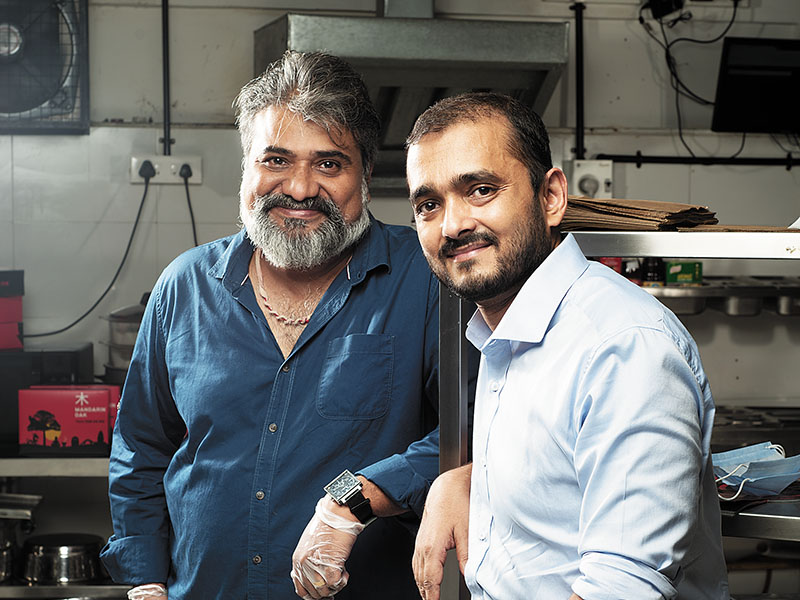
Rebel Foods cloud Kitchen on Cloud 9: How it became the largest cloud kitchen chain in the world - The Story Watch
Two Founders of Rebel Foods(Ghost Kitchens Concept): Kallol Benerjee & Jaydeep Barman

Rebel Foods: A Ghost Kitchen Success Story

Rebel Foods, launched in 2011, operates one of the world’s largest cloud kitchen networks with brands like Faasos and Behrouz Biryani. Using a multi-brand model, they run several virtual restaurants from single kitchens, optimizing resources and lowering costs. Their data-driven approach allows them to quickly test and scale new brands across multiple countries. With over 450 cloud kitchens globally, Rebel Foods showcases the scalability and profitability of the ghost kitchens concept, setting a benchmark in the food delivery industry.

Future Trends 

As ghost kitchens grow, expect continued tech integration, sustainability efforts, and diverse, health-conscious menus. Technology will enable faster service, and eco-friendly packaging will attract environmentally-conscious consumers. Specialized menus will further cater to dietary preferences, making ghost kitchens leaders in modern dining. 

The Future of Dining with Ghost Kitchens 

Ghost kitchens Concept are not a passing trend but a revolutionary shift in the restaurant industry. By lowering costs and focusing on delivery, ghost kitchens provide a flexible and innovative alternative to traditional dining. As consumer demand for convenient, high-quality food grows, ghost kitchens will continue to shape the future of dining, bringing exciting culinary concepts straight to our doors. 


Read More blogs with BILLBERRY!

Restaurant Supply Chain Management: New Restauranteur’s Guide
What Is The Concept Of Cloud Kitchen?
Top 20 Online Platforms Every New Indian F&B Business Needs

Get the Best POS System for your Restaurant. Book a free demo today!
 

Tips for Choosing the Right Franchise for Your Food Start-up

The food service industry is one of the fastest-growing in the world.

That’s a direct result of our current lifestyle.

People don’t seem to have the time, nor the will to cook for themselves.

It is the food service industry that is cashing in on that trend.

From the looks of things, that’s a trend set to grow, without any signs of stopping anytime soon.

Franchise Management System – Free Demo

Therefore, investing in a food start-up franchise along with the best franchise software like Billberry makes perfect sense.

Here’s our blueprint on how to choose the right franchise and maintain franchise management precisely for your food start-up.

Ask yourself: What Do I Want To Accomplish Through Franchise?

This is all about being honest with yourself, knowing what you want to accomplish, and what can you achieve.

But most important of all, you need to know your limits, both financial and else wise.

You need to be clear with yourself about all those things so that later you don’t end up overreaching and making wrong estimates.

The truth is, investing in a franchise means that you will always be making decisions.

Decisions for which you will need to make your best estimate given the current situation and factors.

By knowing yourself and your limits, you can make better and smarter decisions.

Informed decisions can be made with the help of detailed analytical reports provided by a restaurant management system like Billberry

How Much Can You Invest?

Food start-up, or some other type of start-up, you need to set up a budget before making your move.

You need to be prepared for expenses that are mandatory like having the best restaurant management software for franchise management.

Nowadays, there are food start-ups that can be started with $10K and some that require an investment in a couple of hundreds of thousands of dollars. 

Of course, there are plenty in between.

Keep in mind that aside from your initial investment in the franchise, you will need to take into account operational costs daily.

These costs need to be covered until your start-up starts generating cash.

A reliable POS software company can provide a robust point of sale software that can help you manage all your essential operations like your inventory management system, supply chain management system and more.

Explore The Food Franchise Landscape

This is about looking at your options, what’s out there, the cost, what people like, what they dislike, how is getting great reviews, who not so much.

The idea is to get a sense of what’s available and maybe even make a list of potential food businesses you might invest in.

Also look for franchise management software India and be prepared with the best franchise management software.

At this point, it will be like casting a big net and seeing what will come out.

The ones that are out of your budget limit, are too demanding, are getting bad reviews, or you don’t like their food, they are the ones that you need to eliminate from your list first.

Franchise Management System – Free Demo

Choose Facts Over Emotions

Thing is you might like franchise very much.

You like their products, how they serve their clients, their business model, and everything in between.

However, don’t just rely on your instinct, or you might end up losing money.

In some countries, franchisors are obligated to disclose all their documents.

That way, you can have the full picture at hand before making any financial or legal commitment.

Talk To Franchises

Let’s say you’ve identified a specific franchise opportunity, you’ve talked to their representatives, checked all available documents, and from the look of things they look solid.

The next step is talking to some of the franchises.

Don’t just talk to the ones that they will recommend you, but also other random options.

That way, you can have a better feel at what it means to be a franchise for that particular company.

Furthermore, if you can find them, you can even talk to former franchises.

The ones that invested and failed to make a profit.

Their experience and feedback can be both indispensable and very revealing.

How Long Does It Take To Return Your Investment?

Whether it is a food franchise or some other, it all comes down to how fast you can return your investment, and how much you can earn.

Again, it’s all about doing your research, going through the numbers, how fast other food businesses got their initial investment back, and how much they earn per year.

Is The Franchisor Easy To Work With?

Truth is some franchisors are way better than others and take great care of their food business.

Typically, the ones that spend more time helping put their food businesses, provide a lot of training and support, are the best and most successful ones.

Review The Franchise Agreement With Your Lawyer

This is so you know exactly what you are getting into; what are your legal obligations, what you are entitled to get from your franchisor, what will happen if there is a breach of the agreement from some of the sides, and so on.

Take your time to understand every aspect of the agreement, what it means to you, its relation to the local laws and regulations.

In Conclusion

The main point is not to jump blindly into something that feels like an excellent business opportunity.

Do your researches, talk to a lawyer, and even make the call to which food business suits you most.

Billberry is a custom franchise management solution provider.

If you like this article, please share to others with this Affordable ERP Solution For Food Franchises.

Franchise Management System – Free Demo