

Category: Franchise Management

blog

Top 11 Restaurant Franchises in India for Aspiring Restaurateurs

In a country where food is emotion, fine dining isn’t just a luxury, it’s a lifestyle. With rising disposable incomes and a growing appetite for memorable experiences, India’s fine-dining space is blossoming. While cafes and fast food chains are booming, there’s a unique market for those who want to offer guests a luxurious ambience, curated menus, and white-glove service.

If you’re planning to invest in the world of food, these top 11 fine-dining restaurant franchises in India promise both prestige and profit.

A franchise model offers franchisor’s proven business model, training, marketing, and ongoing support in exchange for an initial fee and ongoing royalties.

1. Punjab Grill

Punjab Grill Nort Indian Cuisines | Palladium Ahmedabad

Punjab Grill

~ Owned by: Lite Bite Foods

~ Cuisine: Royal Punjabi & North Indian

~ Ambience: Sophisticated Mughal-inspired interiors with contemporary touches

~ Franchise Investment: ₹2 – ₹4 crores

~ Presence: Delhi NCR, Mumbai, Bengaluru, Chennai, and abroad

~ USP: From dal makhani to tandoori lamb chops, the menu delivers royal richness rooted in North Indian traditions

~ Why it works: A well-established name with strong recall among fine-dine lovers seeking authentic Punjabi cuisine.


2. Barbeque Nation

Barbeque Nation restaurant franchises in india

Barbeque Nation

~ Owned by: Barbeque Nation Hospitality Ltd.

~ Cuisine: Multi-cuisine grills + Indian buffet

~ Ambience: Lively open grills at every table, festive vibe

~ Franchise Investment: ₹3 – ₹5 crores

~ Presence: 85+ cities across India

~ USP: Interactive DIY grilling, unlimited buffet, and frequent food festivals

~ Why it works: One of India’s most successful fine dining buffet brands, consistent experience across locations.


3. Eat Punjab

eat punjab | restaurant franchises in india

Eat Punjab

~ Owned by: Culinate Hospitality

~ Cuisine: North Indian with Punjabi flair

~ Ambience: Modern Punjabi luxury with folk-inspired décor

~ Franchise Investment: ₹1.5 – ₹3 crores

~ Presence: Punjab, Delhi NCR, expanding into Tier 1 cities

~ USP: Rustic Punjabi flavors in a modern fine-dine format

~ Why it works: Combines emotional nostalgia of Punjab with premium restaurant aesthetics.


4. Mainland China

Mainland China

~ Owned by: Speciality Restaurants Ltd.

~ Cuisine: Authentic Chinese & Pan-Asian

~ Ambience: Zen-inspired interiors, warm lighting, and Oriental charm

~ Franchise Investment: ₹2 – ₹5 crores

~ Presence: Pan-India presence in metros and major Tier 1 cities

~ USP: Offers genuine Chinese flavours without Indian fusion, rare in India

~ Why it works: One of the first names that come to mind for luxury Chinese cuisine restaurant franchises in India.


5. The Great Kabab Factory

The Great Kabab Factory

The Great Kabab Factory

~ Owned by: K Hospitality Corp

~ Cuisine: Awadhi, Mughlai, and regional kababs

~ Ambience: Classy, understated with an open kitchen setup

~ Franchise Investment: ₹3 – ₹5 crores

~ Presence: Across India, Middle East & Southeast Asia

~ USP: Unlimited kabab experience with rotating menus and set meal format

~ Why it works: Signature fine dining experience designed for kabab lovers looking for variety and richness.


6. Moti Mahal Delux

Moti Mahal Delux Restaurants Franchises in india

Moti Mahal Delux

~ Founded by: Kundan Lal Gujral

~ Cuisine: Traditional Mughlai & North Indian

~ Ambience: Rich wooden interiors, warm tones, and a legacy charm

~ Franchise Investment: ₹1.5 – ₹3.5 crores

~ Presence: 100+ outlets across India and overseas

~ USP: The brand that gave India butter chicken | a timeless Mughlai heritage

~ Why it works: The legacy of being an inventor of iconic dishes makes it a magnet for both desi and global foodies.


7. Copper Chimney

Copper Chimney - Viviana Mall

Copper Chimney

~ Owned by: K Hospitality Corp

~ Cuisine: North Indian with Bombay-style interpretations

~ Ambience: Contemporary Indian décor with warm lighting

~ Franchise Investment: ₹2.5 – ₹4.5 crores

~ Presence: Mumbai, Delhi NCR, Chennai, Bengaluru, Pune

~ USP: Signature grills, slow-cooked dishes, and bold Indian spices

~ Why it works: Known for reinventing Indian classics for the modern diner.


8. Pind Balluchi

Pind Balluchi

~ Owned by:Lite Bite Foods

~ Cuisine:Traditional Punjabi with a modern twist

~ Ambience: Classic Punjabi village-inspired décor with plush seating

~ Franchise Investment: ₹1.5 – ₹3.5 crores

~ Presence: Delhi NCR, Mumbai, Bengaluru, Pune, and other metros

~ USP: Authentic Punjabi flavors with a premium dining experience

~ Why it works: A beloved name in the Punjabi fine dining segment with wide appeal and a festive atmosphere.


9. Kovallam

Kovallam | restaurant franchises in india

Kovallam

~ Owned by: Kovallam Group

~ Cuisine: South Indian coastal cuisine

~ Ambience: Subtle luxury with earthy elements and coastal décor

~ Franchise Investment: ₹1.5 – ₹2.5 crores

~ Presence: Bengaluru, Hyderabad, Kochi

~ USP: Premium South Indian seafood and Kerala-style meals in a fine-dine setting

~ Why it works: Fills a niche for fine South Indian dining, an underrepresented but fast-growing segment.


10. The Yellow Chilli

The Yellow Chilli | restaurant franchises in india

The Yellow Chilli

~ Owned by: Chef Sanjeev Kapoor

~ Cuisine: Global fusion with Indian flavors

~ Ambience: Elegant, modern decor with stylish dining spaces

~ Franchise Investment: ₹2.5 – ₹5 crores

~ Presence: Mumbai, Delhi NCR, Bengaluru, Ahmedabad, and other cities

~ USP: Innovative dishes with global inspirations, curated by India’s culinary legend

~ Why it works: Sanjeev Kapoor’s reputation and the blend of global fusion with Indian influences make this a prime choice for those wanting a mix of fine dining and creative cuisine.


11. Jassi De Parathe

Logo

Jassi De Parathe

~ Owned by: Jassi De Parathe

~ Cuisine: North Indian, Punjabi

~ Ambience: Traditional village-style décor with a contemporary twist

~ Franchise Investment: ₹1.5 – ₹3 crores

~ Presence: Delhi NCR, expanding to other major cities

~ USP: Authentic Punjabi food served in a family-friendly, yet premium atmosphere

~ Why it works: Brings the authentic, hearty flavors of Punjab to the fine dining space with a focus on parathas and regional dishes.


A restaurant franchise business is an excellent opportunity for entrepreneurs who want to start a business with a recognized brand name and an established business model.

The top 11 restaurant franchises in India provide excellent investment opportunities for individuals who are passionate about food and want to start a business in the restaurant industry.

Before investing, it is important to carefully review the terms and conditions of the franchise agreement, including the initial investment, ongoing royalties, and support provided by the franchisor.

India’s fine dining segment isn’t just surviving, it’s thriving. As consumers look for dining experiences over just meals, investing in a reputed restaurant franchises in india could be a smart and tasteful business move. Whether your heart lies in smoky tandoors or coastal spice trails, there’s a brand here that aligns with your culinary vision.

Moreover, this article is curated by content experts at Billberry, the industry leading Restaurant Management System to Skyrocket your restaurant business! To know more about Billberry, book a Free Demo Today!
Restaurant Franchise Management System – Free Demo

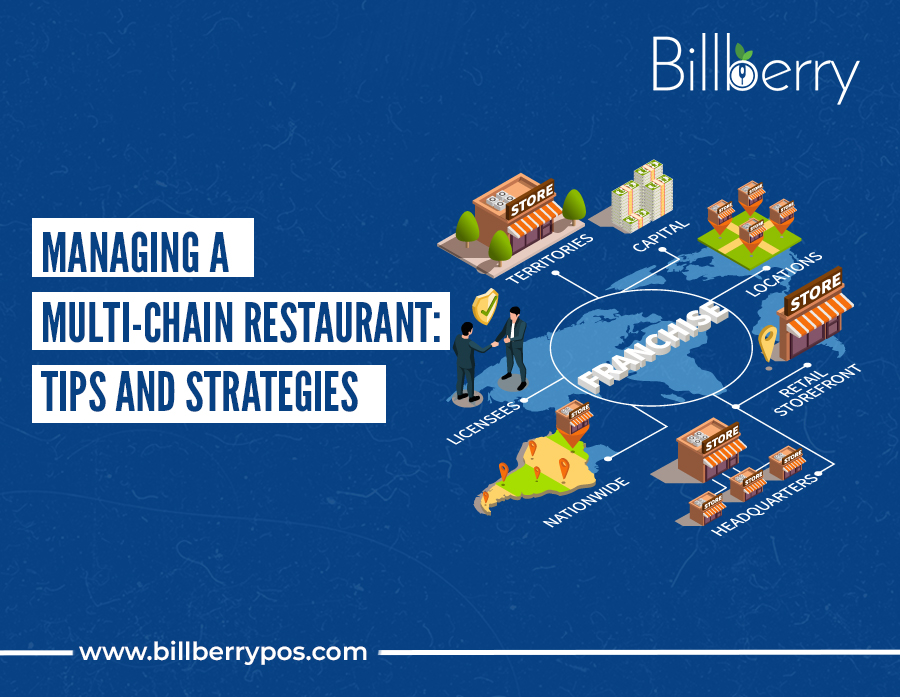
Managing a Multi-Chain Restaurant: Tips and Strategies

Running a single restaurant can be a challenging task, but managing a multi-chain restaurant can be even more difficult. With each location having its unique set of customers, staff, and operational needs, managing a Multi-Chain Restaurant Management System can seem overwhelming at times. However, with the right strategies and tools in place, managing a multi-chain restaurant can be a successful and profitable endeavor.

Here are some tips and strategies for managing a multi-chain restaurant:

Develop a Strong Brand Identity

One of the most critical aspects of managing a multi-chain restaurant is to create a strong brand identity that resonates with customers across all locations.

A strong brand identity not only helps attract customers but also helps build trust and loyalty.

A strong brand identity not only helps attract customers but also helps build trust and loyalty.

To develop a strong brand identity, consider the following:

Consistent branding

Ensure that all locations have consistent branding, including logos, colors, and design elements.

This consistency helps customers identify the brand and builds brand recognition.

Multi-Chain Restaurant Management System – Free Demo

Unique positioning

Differentiate your brand from competitors by identifying your unique selling proposition.

Develop a brand positioning statement that captures your brand’s essence and communicates its unique value proposition.

Customer-centric approach

Create a customer-centric brand by understanding the needs and preferences of your target customers.

Develop menus, promotions, and marketing campaigns that cater to their interests and tastes.

Centralize Operations

To manage a multi-chain restaurant effectively, it’s crucial to centralize operations.

By centralizing operations, you can streamline processes, reduce costs, and ensure consistency across all locations.

Here are some ways to centralize operations:

Use a central kitchen

Utilize a central kitchen to prepare food items that can be distributed to all locations.

This approach can help maintain consistency in food quality and reduce food wastage.

Multi-Chain Restaurant Management System – Free Demo

Implement a standardized menu

Develop a standardized menu across all locations to ensure consistency in food offerings and pricing.

This approach can also help reduce food costs by ordering ingredients in bulk.

Use a centralized POS system

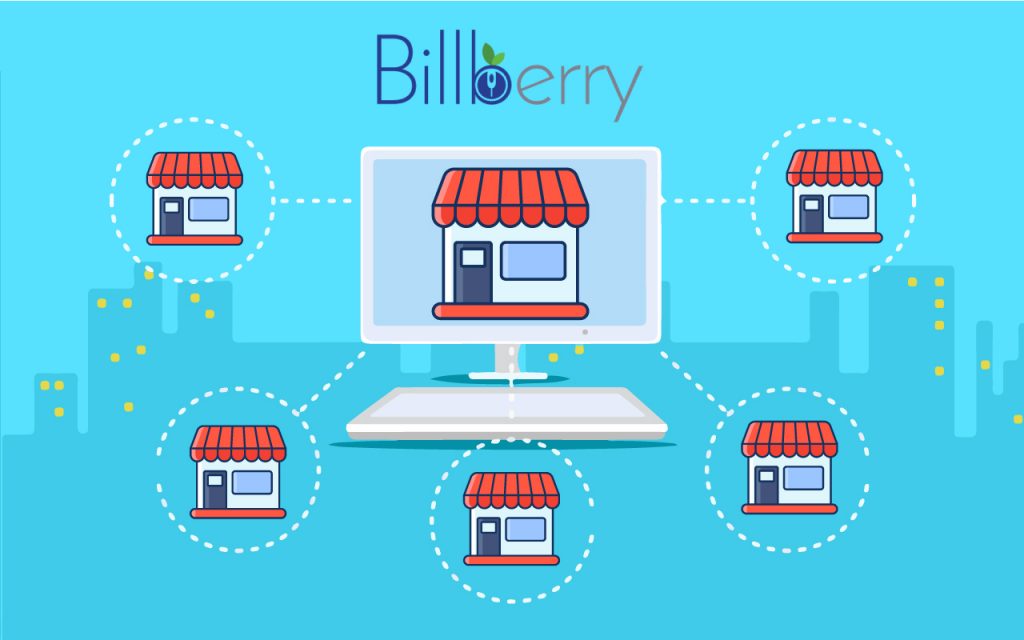
Implement a centralized POS system that can be accessed by all locations.

Managing everything right from a single dashboard makes managing the entire business operations at your restaurant chain business a breeze.

The right Multi-chain restaurant management let’s you manage your entire business operations on a single dashboard.

The right POS system for restaurant chains like Billberry can offer end-to-end process management, real time transaction tracking and reports, royalty cycle management, multi pricing, online-food delivering, and more along with centralized operations.

This approach can help streamline all your business operations so that you as a food industry entrepreneur, can put your energy towards growth strategies rather than spending too much time on managing everything.

Foster a Culture of Communication and Collaboration

To manage a multi-chain restaurant successfully, it’s essential to foster a culture of communication and collaboration.

Encourage open communication and collaboration between staff members and locations.

This approach can help address operational issues quickly and efficiently. Multi-Chain Restaurant Management System.

Here are some ways to foster a culture of communication and collaboration:

Regular staff meetings

Conduct regular staff meetings across all locations to discuss operational issues, share best practices, and provide updates.

Use collaboration tools

Utilize collaboration tools such as messaging apps and project management software to facilitate communication and collaboration between staff members and locations.

Encourage feedback

Encourage feedback from staff members and customers to identify areas for improvement and implement changes.

Leverage Technology

Technology can play a significant role in managing a multi-chain restaurant.

By leveraging technology, you can automate processes, reduce costs, and improve efficiency. Here are some ways to leverage technology:

Use cloud-based solutions

Utilize cloud-based solutions for data storage, POS systems, and other operational needs.

Cloud-based solutions can help reduce IT costs and improve accessibility across all locations.

Multi-Chain Restaurant Management System – Free Demo

Implement mobile ordering

Implement mobile ordering and payment solutions to offer customers a convenient way to place orders and pay for their meals.

Use data analytics

Utilize data analytics to gain insights into customer behavior, sales trends, and operational performance.

This information can help identify areas for improvement and inform strategic decisions.

Conclusion

In conclusion, managing a multi-chain restaurant can be challenging, but with the right strategies and tools, it can be a successful and profitable endeavor.

Develop a strong brand identity, centralize operations, foster a culture of communication and collaboration, and leverage technology to improve efficiency and reduce costs.

By implementing these tips and strategies, you can create a consistent and high-quality customer experience across all locations, which can help build brand loyalty and drive revenue growth.

Moreover, this article is curated by content experts at Billberry. It is the industry leading franchise management solution for restaurant business and food industry. It is a complete ERP solution fabricated according to restauranteur’s needs.

More like this:
a. How A Franchise Management System Can Aid to A Food Franchise Business?
b. 10 Easy Steps To Grow Franchise Restaurant Business
c. How to Align Operations in Food Business to Become a Food Franchise

Multi-Chain Restaurant Management System – Free Demo

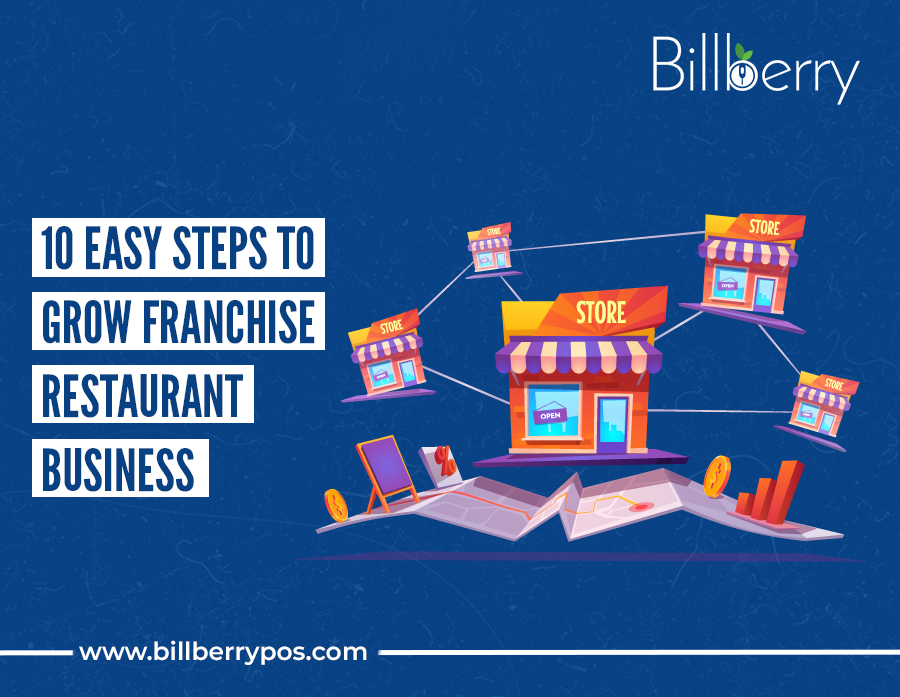
10 Easy Steps To Grow Franchise Restaurant Business

Franchising a restaurant business can be a great way to expand your brand and increase your profits.

However, the process of franchising a restaurant can be complicated and time-consuming.

In this article, we will outline the 10 definitive steps for franchising a restaurant business.

Franchise Restaurant Management System – Free Demo

Evaluate Your Restaurant’s Readiness

The first step in franchising your restaurant business is to evaluate your restaurant’s readiness.

You need to ensure that your restaurant is profitable, has a unique concept, and has a strong brand image.

Before franchising, you need to ensure that your restaurant is profitable, has a unique concept, and has a strong brand image.

You also need to have a proven business model that can be replicated in other locations.

Develop a Franchise Business Plan

Once you have evaluated your restaurant’s readiness, you need to develop a franchise business plan.

This plan should include the legal structure of your franchise, the fees and royalties that you will charge franchisees, the marketing strategy for your franchise, and the support and training that you will provide to franchisees.

Protect Your Intellectual Property

Before you start franchising your restaurant business, you need to protect your intellectual property.

This includes trademarking your restaurant’s name, logo, and other brand elements.

You also need to protect your recipes, processes, and other trade secrets.

The Franchise Disclosure Document (FDD) is a legal document that outlines all the information that a prospective franchisee needs to know before investing in your franchise.

This document includes information about the franchisor, the franchise system, the fees and royalties, the training and support provided to franchisees, and the terms and conditions of the franchise agreement.

Franchise Restaurant Management System – Free Demo

Register Your Franchise in Applicable States

Depending on the state in which you plan to franchise your restaurant business, you may need to register your franchise with that state’s regulatory agency.

This process can be complicated and time-consuming, so it is important to work with an experienced franchise attorney.

Recruit Franchisees

Once you have completed all the legal and regulatory requirements, you can start recruiting franchisees.

You should look for individuals who have experience in the restaurant industry, are passionate about your brand, and have the financial resources to invest in your franchise.

Provide Franchisees with Training and Support

To ensure the success of your franchisees, you need to provide them with comprehensive training and ongoing support.

To ensure the success of your franchisees, you need to provide them with comprehensive training and ongoing support.

This includes training on your restaurant’s operations, marketing, and customer service, as well as ongoing support through regular check-ins and assistance with problem-solving.

Monitor and Enforce Franchise Agreements

As a franchisor, it is your responsibility to monitor and enforce the franchise agreements with your franchisees.

This includes ensuring that franchisees are following your brand standards, paying the required fees and royalties, and operating their businesses in accordance with your system standards.

Franchise Restaurant Management System – Free Demo

Manage Brand Reputation

As your franchise grows, it is important to manage your brand’s reputation.

This includes monitoring online reviews, responding to customer complaints, and ensuring that your franchisees are maintaining the quality and consistency of your brand.

Continuously Improve Your Franchise System

Finally, it is important to continuously improve your franchise system.

This includes gathering feedback from franchisees, analyzing financial and operational data, and implementing changes to improve the overall performance of your franchise.

Final Words

By evaluating your readiness, developing a franchise business plan, protecting your intellectual property, and providing comprehensive training and ongoing support to franchisees, you can build a strong foundation for your franchise system.

It is also important to work with experienced franchise attorneys and follow all legal and regulatory requirements when registering your franchise in applicable states.

Also keep in mind that the franchisees are paying the required fees and royalties. You can also manage royalty cycles with a restaurant management system.

Moreover, as your franchise grows, it is important to manage your brand’s reputation by monitoring online reviews, responding to customer complaints, and ensuring that your franchisees are maintaining the quality and consistency of your brand.

Finally, it is important to continuously improve your franchise system by gathering feedback from franchisees, analyzing financial and operational data, and implementing changes to improve the overall performance of your franchise.

In conclusion, franchising a restaurant business can be a challenging but rewarding process.

By following these 10 definitive steps, you can build a strong and successful franchise system that will help you expand your brand and increase your profits.

Moreover, this article is curated by content experts at Billberry. It is a complete ERP solution for Restaurant Franchise Businesses. Book a free demo today to learn how you can manage everything right from procurement to customer engagement on a single dashboard with Billberry.

Franchise Restaurant Management System – Free Demo

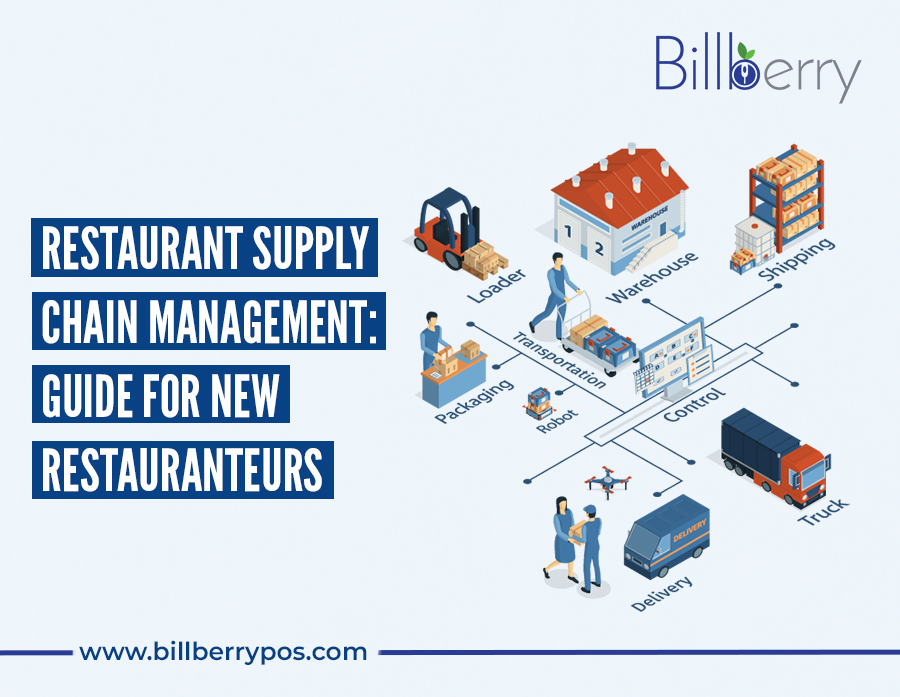
Restaurant Supply Chain Management: New Restauranteur’s Guide

The restaurant industry has grown tremendously over the years, with new players entering the market every day.

The global food service market is projected to reach a value of $4.2 trillion by 2027, growing at a CAGR of 4.8% from 2020 to 2027, according to a report by Allied Market Research.

The global food service market is projected to reach a value of $4.2 trillion by 2027, growing at a CAGR of 4.8% from 2020 to 2027 – Allied Market Research


However, running a successful restaurant involves more than just cooking great food and providing excellent customer service. One of the critical aspects of restaurant management is supply chain management.

Restaurant Management System – Free Demo

The supply chain refers to the network of suppliers, manufacturers, distributors, and retailers involved in the production and delivery of goods to consumers.

Restaurant supply chain management, therefore, refers to the process of overseeing the entire supply chain of a restaurant, from the procurement of raw materials to the delivery of finished products to customers.

For new restaurateurs, understanding how to manage their restaurant supply chain can be a daunting task.

In this article, we will provide a comprehensive guide to restaurant supply chain management, including the benefits, challenges, and best practices to follow.

6 Tips To Keep Restaurant Food Cost Under Control

Benefits of Restaurant Supply Chain Management

Effective restaurant supply chain management offers numerous benefits to the business.

A study by the National Restaurant Association found that restaurants that effectively manage their supply chains have a 24% higher profit margin than those that don’t.

Restaurants that effectively manage their supply chains have a 24% higher profit margin than those that don’t – National Restaurant Association

Some of the key benefits include:

Cost Reduction

By optimizing the supply chain, restaurants can minimize costs and increase profitability.

This can be achieved by streamlining procurement, reducing waste, and minimizing overhead costs.

All of this can also be achieved with the help of an efficient restaurant management system.

Improved Efficiency

A well-managed supply chain ensures that the restaurant gets the right products at the right time, in the right quantity, and at the right price.

This helps to reduce inventory costs, improve production efficiency, and ensure customer satisfaction.

How To Use Restaurant Interior Colours To Increase Sales?

Quality Control

Supply chain management helps to ensure that the restaurant sources high-quality products from reliable suppliers.

This helps to improve the quality of food served, reduce the risk of contamination, and protect the restaurant’s reputation.

Restaurant Billing Software – Free Demo

Challenges of Restaurant Supply Chain Management

Despite the numerous benefits of restaurant supply chain management, there are also several challenges that restaurateurs must be aware of. Some of the common challenges include:

Quality Control

Ensuring the quality of products sourced from suppliers can be a challenge.

This is because different suppliers may have varying standards of quality, which can affect the quality of the final product.

Price Fluctuation

The cost of raw materials can be unpredictable, with prices fluctuating due to various factors such as seasonality, supply and demand, and weather conditions.

Logistics

Managing the logistics of the supply chain can be complex, with multiple suppliers, distributors, and retailers involved.

This can lead to delays, stock-outs, and increased transportation costs.

Restaurant POS Software – Free Demo

Best Practices for Restaurant Supply Chain Management

To overcome the challenges of restaurant supply chain management and maximize the benefits, restaurateurs should follow these best practices:

Build Strong Relationships with Suppliers

Developing strong relationships with suppliers is crucial for ensuring quality products, competitive pricing, and reliable delivery.

This can be achieved by regularly communicating with suppliers, negotiating prices, and paying on time.

7 Essential Restaurant Menu Design Tips – Restaurant Menu Engineering

Monitor Inventory Levels

Monitoring inventory levels is essential for ensuring that the restaurant has enough stock to meet demand without incurring excess inventory costs.

This can be achieved by implementing inventory management software or using manual inventory tracking methods.

Implement Quality Control Measures

Implementing quality control measures such as food safety protocols and quality checks at each stage of the supply chain can help to ensure that the restaurant serves high-quality food and maintains its reputation.

Use Restaurant ERP Solution

Using a restaurant ERP solution offers end to end restaurant operations management with analytical reports.

Everything can be managed on a single centralized dashboard with the help of a robust restaurant ERP solution.

It can also help to optimize the supply chain by identifying areas of improvement, predicting demand, and reducing waste.

How To Create A Restaurant Management Checklist

Consider Sustainable Practices

Adopting sustainable practices such as sourcing locally, reducing waste, and using eco-friendly packaging can help to reduce costs, improve brand image, and contribute to environmental conservation.

Conclusion

In conclusion, effective restaurant supply chain management is critical for the success of any restaurant.

By understanding the benefits, challenges, and best practices of supply chain management, new restaurateurs can optimize their supply chain, reduce costs, improve efficiency, and maintain customer satisfaction.

Moreover, this article is curated by content experts at Billberry, the all-in-one ERP solution for food businesses. Have deeper business insights with 40+ reports to manage everything right from procurement to customer engagement on a single dashboard. Book a Free Demo for Restaurant ERP Solution Today!

Restaurant ERP Solution – Free Demo

How A Franchise Management System Can Aid to A Food Franchise Business?

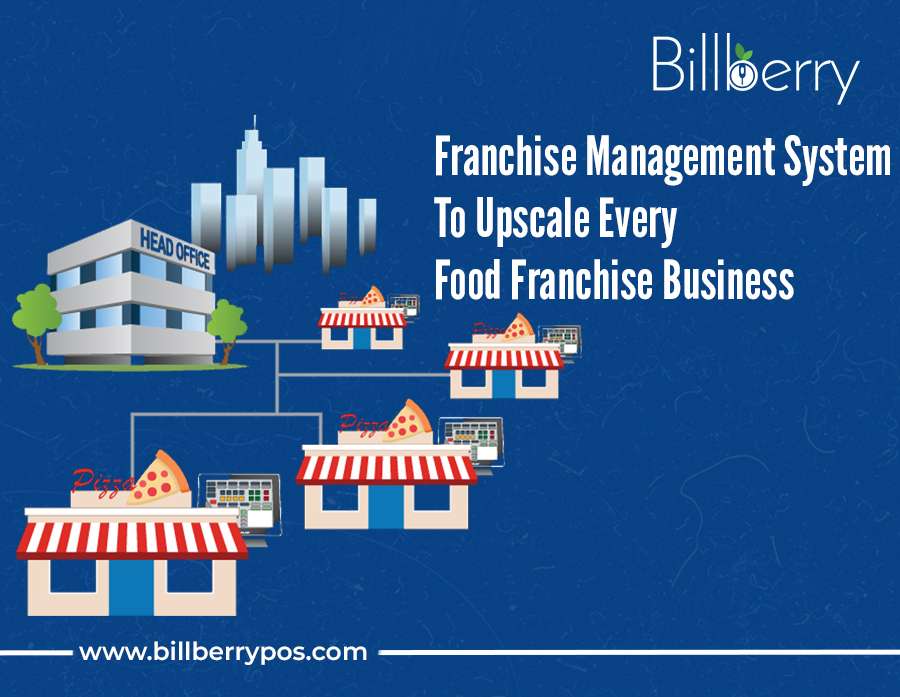
As the name suggests, a franchise management system is aimed to manage different outlets of any business.

It’s a complete solution that manages entire franchise operations from royalty management to inventory and stock.

Read this article to the end to understand how a franchise management system works.

How A Franchise Management Can Aid To Food Business?

Any food business that has more than one outlet needs a franchise management system to streamline all the business operations that they encounter on everyday basis.

A robust system like Billberry is made solely by keeping in mind the requirements of the food business.

It understands the needs of a food business and provides exactly the same.

It helps you manage everything from procurement to supply chain with ease of mind.

Increasing restaurant sales and attracting more customers is easy with the right solution.

The benefits of using a franchise management system for a food business are numerous.

An industry leading Franchise management system like Billberry can offer features that are actually beneficial for your business.

Below we have discussed some of the features that Billberry offers, they all are very beneficial to grow any food business whether it be a chain of Restaurants, Pizzeria, Café, Cloud Kitchen, QSR, Bakery, Sweet Shop, Bars & Pubs, and more.

Centralized Operations With A Food Franchise Management System

It is easier to manage everything with your food business because with Billberry, now you have the ability to manage everything from a single dashboard.

Just by sitting at your headquarters, you can monitor everything from inventory to sales.

Centralized operations control lets you keep tabs on every aspect of your food business from a single location.

If you are currently running solo with just one food business outlet, then you can align operations in food business to become a food franchise with a reliable solution like Billberry.

Managing Royalty Cycle With The Help Of A Food Franchise Management System

Royalty management is easier to manage than ever before with Billberry.

Franchisee outlets need to make regular royalty payments and requires a system to manage the same.

Only a few franchise management systems offer this feature and Billberry is one of them.

Never forget to make the regular payments with all the necessary insights just by implementing the right FMS at your food business outlet.

Multi Pricing At Different Outlets

Different outlets often times requires to maintain different pricing for the same item on their menu.

This is possible with Billberry franchise management system.

It enables you to maintain multi pricing for your menu items so that you can easily maintain and keep multi pricing according to your business requirements.

Audit Management Module With A FMS

This is one of the most exclusive features that Billberry offers.

This audit management system lets the owner of the food business franchise make it mandatory to make a set of certain questions.

For example, if the outlet staff is maintaining the dress code properly or whether proper cleanliness is maintained at the outlet.

The staff can also add live pictures to the module and update it on the regular basis.

This way the owner of the franchise business can stay be assured that all the operations are taken care precisely at the food business outlet.

Run Different Scheme And Promotions On Different Outlets

Schemes and promotions are the key to entice customers.

There are often times like special occasions and festivals when the business owner requires to maintain different schemes and promotions on different outlets.

Running the right schemes also leads to more sales and generates more revenue for your business.

Conclusion

The right franchise management system can grow your food business by providing all the excellent features listed above.

Billberry FMS is something that you require for your food business to grow because there’s got to be a reason why it’s being used by food businesses throughout the globe.

Franchise Management System – Free Demo

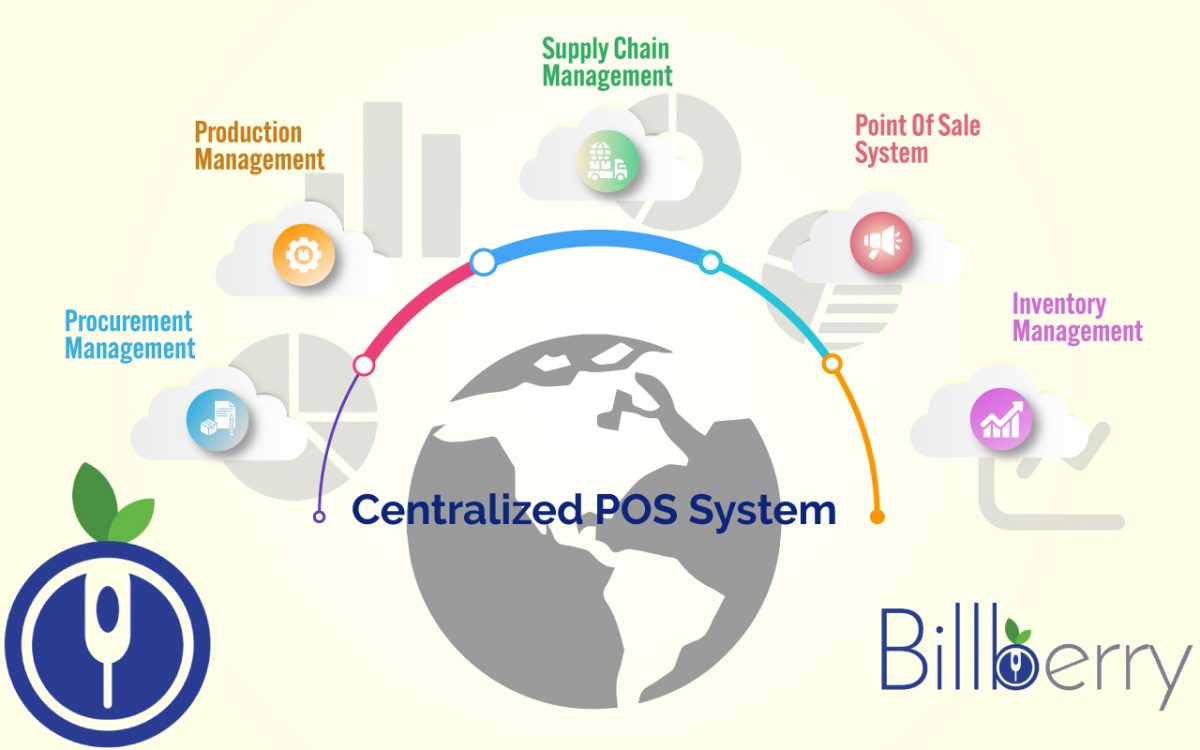
How Centralized POS System Benefits Your Food Chain Franchise Management?

The centralized POS system for food businesses has brought a transformation in the supply chain for food industry.

Earlier all the financial details were maintained in a cash register but gradually has given place to the restaurant management system.

Centralized POS Software – Free Demo

The data collected by centralized POS system platforms help people in the Food chain industry provide an experience to more personalized customers.

This helps get more attention from the customers and provides more convenience to them, maintaining consistency in food chains like restaurants, coffee shops, ice cream parlors, QSR, pizza shops etc.

One should also look for a solution that can streamline the hustle of the central kitchen like procurement, manufacturing, and supply of material to outlets.

Let us discuss how implementing a centralized POS system for sale can help them.

Benefits of a Standard POS Software

Having a complete restaurant management software or a POS software system helps the food chain industry attract more customers in person, create a more excellent economy, and provide personalized experiences more consistently.

In addition, many franchisees have the privilege of selecting a POS system of their own which helps to reduce the workload of the individual franchisees and expands their numbers.

Many franchisee owners are reluctant to implement a POS software for retail as it takes time to get implemented and is costly.

In addition, the operators working with these POS solutions often require time-consuming training and mostly feel like trouble for those who work with multiple brands and restaurants.

Having a centralized point of sale solution is thus an excellent tool for building brand consistency.

Few benefits of using a centralized POS system are as follow:

  1. Standardization of business processes across business
  2. Better analytics of trends (Sales, Purchase, Expenses etc)
  3. Better control on food cost
  4. Quick communication with all stake holders like franchise owners, suppliers etc.
  5. Efficiency & transparency of operations improve drastically

Creating Centralized Strategies

When you integrate the POS system software along with order management, PMS, eCommerce, mobility, and loyalty, which helps the owners to create a seamless customer experience, this also helps the hotels keep consistent menus, pricing, and experience for customers from wherever they order or book.

It can be an online booking or in person. For the POS system to be successful, it is essential to select a platform with solid API support and does not require any sophisticated technology to be installed in each store.

Centralized POS Software – Free Demo

Customised Offers With POS Software

It is essential for a POS platform that is single and digital to be customized as per the customers’ requirements.

The digital channel should take into account recommendations based on the likes and dislikes of the customers and create offers accordingly.

To track the loyal customers’ preferences and habits, a digital POS platform integrates data collected by social media, CRM, and platforms managing loyalty to the hospitality industry.

This helps them get a fair idea about guests’ preferences, such as their food preferences and more.

Technology-driven sensors like beacons and geofencing enable the Food chain industry to offer in-person marketing and promotions targeted towards customers present on the site and in the diners.

The restaurant POS software can also help analyze the customers’ choices and preferences and plan their strategies for sale accordingly.

As a result, the prevailing trends can be examined, and sales can be managed in coordination.

POS System For Time-Saving

Having a centralized POS system, payments become very easy as the customers don’t have to stand in the line and get frustrated.

Mobile payments make it very easy for the customers and also convenient and happy.

The staff gets to spend some quality time with them and also serve them better.

Creating self-service options and NFC payment methodology helps the customers get a smooth experience all through the properties.

With the increase in technology, tablets also bring in more loyalty and ease while placing an order both at the restaurants and at the pool.

Seamless and Fluid Options

POS Digital platforms are strengthened by integration.

POS can serve customer service ecosystems, being their center of performance with plug-and-play connections and APIs.

This is like having a third-party platform connection like uber, a great ride-sharing service provider, and online food delivery applications like Zomato and Swiggy.

This is also an excessive way to check the food wasted by linking the sensors to the kitchen.

Better Revenues With POS

A POS system eventually reduces the operational costs for a business.

This helps save money and redistribute it to other departments of your business, such as marketing and sales.

POS software solutions also incorporate different features such as consignments, rentals, repairs, and more.

This helps in increasing your sales volume, thereby increasing the overall revenue of the business.

Multiple services on offer will eventually create additional revenue pipelines for your business.

Advanced Reporting With POS System

Manual reports take time to compile, generate and organize.

It turns out to be a tedious task to look for specific data in those reports.

With a POS system software in place, you can have automatic report creation ability to have a bird’s eye view of your business.

Be Prepared

Point of sale is digitally transforming, and the best is yet to come.

When virtual and augmented reality functionality is added, it will enable marketing in new and exciting ways.

For example, customers will be able to view different forms of promotional offers.

You never know how the technology will take POS systems to a different level enabling the Food chain industry to give better and new service variants.

There is also a possibility that the point of sale systems will go beyond mobile payments and help the franchisee to better manage in a more synchronized manner.

A centralized POS system like Billberry POS system that also acts as a best franchise software is essential for a Restaurant Franchise Management service provider to ensure easy payments and better services.

The Food-chain industry has the power to level up their customer experiences, maintaining healthy customer relationships, and capture hearts and loyalty for them to come again and again.

Now it’s time to find out if your present software is providing the above-mentioned benefits or not.

Are you meeting your sales goals? What are you doing for improving your business operations?

If you’re not doing anything yet, it’s time you get a business intelligence software that integrates with your franchise Management software solution and gives you real-time efficiency and insights into your business growth.

Centralized POS Software – Free Demo

Tips for Choosing the Right Franchise for Your Food Start-up

The food service industry is one of the fastest-growing in the world.

That’s a direct result of our current lifestyle.

People don’t seem to have the time, nor the will to cook for themselves.

It is the food service industry that is cashing in on that trend.

From the looks of things, that’s a trend set to grow, without any signs of stopping anytime soon.

Franchise Management System – Free Demo

Therefore, investing in a food start-up franchise along with the best franchise software like Billberry makes perfect sense.

Here’s our blueprint on how to choose the right franchise and maintain franchise management precisely for your food start-up.

Ask yourself: What Do I Want To Accomplish Through Franchise?

This is all about being honest with yourself, knowing what you want to accomplish, and what can you achieve.

But most important of all, you need to know your limits, both financial and else wise.

You need to be clear with yourself about all those things so that later you don’t end up overreaching and making wrong estimates.

The truth is, investing in a franchise means that you will always be making decisions.

Decisions for which you will need to make your best estimate given the current situation and factors.

By knowing yourself and your limits, you can make better and smarter decisions.

Informed decisions can be made with the help of detailed analytical reports provided by a restaurant management system like Billberry

How Much Can You Invest?

Food start-up, or some other type of start-up, you need to set up a budget before making your move.

You need to be prepared for expenses that are mandatory like having the best restaurant management software for franchise management.

Nowadays, there are food start-ups that can be started with $10K and some that require an investment in a couple of hundreds of thousands of dollars. 

Of course, there are plenty in between.

Keep in mind that aside from your initial investment in the franchise, you will need to take into account operational costs daily.

These costs need to be covered until your start-up starts generating cash.

A reliable POS software company can provide a robust point of sale software that can help you manage all your essential operations like your inventory management system, supply chain management system and more.

Explore The Food Franchise Landscape

This is about looking at your options, what’s out there, the cost, what people like, what they dislike, how is getting great reviews, who not so much.

The idea is to get a sense of what’s available and maybe even make a list of potential food businesses you might invest in.

Also look for franchise management software India and be prepared with the best franchise management software.

At this point, it will be like casting a big net and seeing what will come out.

The ones that are out of your budget limit, are too demanding, are getting bad reviews, or you don’t like their food, they are the ones that you need to eliminate from your list first.

Franchise Management System – Free Demo

Choose Facts Over Emotions

Thing is you might like franchise very much.

You like their products, how they serve their clients, their business model, and everything in between.

However, don’t just rely on your instinct, or you might end up losing money.

In some countries, franchisors are obligated to disclose all their documents.

That way, you can have the full picture at hand before making any financial or legal commitment.

Talk To Franchises

Let’s say you’ve identified a specific franchise opportunity, you’ve talked to their representatives, checked all available documents, and from the look of things they look solid.

The next step is talking to some of the franchises.

Don’t just talk to the ones that they will recommend you, but also other random options.

That way, you can have a better feel at what it means to be a franchise for that particular company.

Furthermore, if you can find them, you can even talk to former franchises.

The ones that invested and failed to make a profit.

Their experience and feedback can be both indispensable and very revealing.

How Long Does It Take To Return Your Investment?

Whether it is a food franchise or some other, it all comes down to how fast you can return your investment, and how much you can earn.

Again, it’s all about doing your research, going through the numbers, how fast other food businesses got their initial investment back, and how much they earn per year.

Is The Franchisor Easy To Work With?

Truth is some franchisors are way better than others and take great care of their food business.

Typically, the ones that spend more time helping put their food businesses, provide a lot of training and support, are the best and most successful ones.

Review The Franchise Agreement With Your Lawyer

This is so you know exactly what you are getting into; what are your legal obligations, what you are entitled to get from your franchisor, what will happen if there is a breach of the agreement from some of the sides, and so on.

Take your time to understand every aspect of the agreement, what it means to you, its relation to the local laws and regulations.

In Conclusion

The main point is not to jump blindly into something that feels like an excellent business opportunity.

Do your researches, talk to a lawyer, and even make the call to which food business suits you most.

Billberry is a custom franchise management solution provider.

If you like this article, please share to others with this Affordable ERP Solution For Food Franchises.

Franchise Management System – Free Demo