

Author: billberrypos

blog

7 Essential Restaurant Menu Design Tips – Restaurant Menu Engineering

Research has shown that the restaurant menu is a critical sales tool that can significantly impact a restaurant’s success.

According to a study conducted by the Cornell University School of Hotel Administration, the menu layout and design can influence customers’ perception of the food and impact their dining experience.

The first impression that customers have of a restaurant is often formed by the menu. Therefore, it is crucial to create a menu that is visually appealing and easy to navigate.

Another study conducted by the MenuShop found that customers take an average of 109 seconds to read a menu, highlighting the importance of creating a clear and concise menu layout.

Creating creative restaurant menu designs that are effective and profitable is one thing, but other aspects related to restaurant menu engineering must be considered by restauranteurs.

Below we have elaborated 7 restaurant menu engineering ways that any restaurant business can incorporate into their restaurant business to upscale their restaurant operations. So let’s dive in!

Restaurant POS Software – Free Demo

Use High-Quality Images

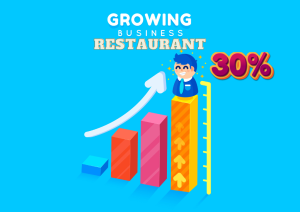
According to a study by the Culinary Institute of America, including photos of menu items can increase sales by up to 30%.

image portraying restaurant business growth by 30%

Additionally, another study by the University of Toronto found that people tend to perceive food as more valuable if it is presented in an attractive manner.

Using professional photographs of dishes that are appetizing and visually appealing can increase the perceived value of the dish, making it easier to charge a premium price.

Therefore, including high-quality images of your dishes in your menu is an effective way to entice customers to order and increase restaurant sales.

12 Creative Restaurant Menu Designs To Boost Sales

Keep it Simple

A study conducted by the Journal of Hospitality and Tourism Research found that customers tend to prefer menus with clear headings, subheadings, and spacing.

The layout and organization of a restaurant menu can significantly impact customer satisfaction and sales.

The study by the Journal of Hospitality and Tourism Research also indicated that, customers are more likely to choose dishes that are easy to locate on the menu.

Furthermore, customers can become frustrated if they have difficulty navigating a menu, which can negatively impact their dining experience.

Useful Restaurant Phrases, Expressions, And Questions For Customers – Restaurant English Conversation Guide

To create an effective and easy-to-navigate menu, restaurant owners should use clear headings and subheadings to group similar items together.

Additionally, proper spacing between menu items can make it easier for customers to read and understand the menu structure.

By keeping the menu simple and easy to navigate, restaurant owners can improve the dining experience for their customers and increase sales.

Restaurant Billing Software – Free Demo

Highlight Special Dishes

According to a study by the National Restaurant Association, customers are more likely to order a dish if it is identified as a “special.”

One way to draw attention to these dishes is to use eye-catching graphics or fonts to make them stand out on the menu.

Additionally, including a short description of the dish or highlighting its unique features can make it more appealing to customers.

image of special dish at a restaurant

Research has shown that including descriptive language, such as “seasonal” or “locally sourced,” can increase the perceived value of a dish and make it more enticing to order.

Furthermore, highlighting specials can also create a sense of urgency, as customers may feel like they are missing out if they don’t order the special.

6 Tips To Grow Restaurant Online Food Delivery Sales In 2023

According to a study by the University of Illinois, using sensory words, such as “crispy” or “juicy,” can make dishes sound more appetizing and increase sales.

Along with enticing restaurant interior design themes, highlighting special dishes on a restaurant menu is an effective way to increase sales and improve customer dining experience.

Restaurant Management System – Free Demo

Organize Items by Profit Margin

By placing high-profit dishes in prominent locations on the menu, such as the top right corner, restaurant owners can draw customers’ attention to these items and increase their sales.

According to a study by Cornell University, menu engineering techniques, such as placing high-profit items in prime menu locations, can increase a restaurant’s profits by up to 15%.

Additionally, using design elements such as colour or font to highlight high-profit items can further increase their visibility and appeal to customers.

10 Top Restaurant and Cafe Interior Design Themes To Try In 2023

However, it’s important to strike a balance between highlighting high-profit items and maintaining a well-rounded menu with a variety of options.

By strategically organizing menu items by profit margin, restaurant owners can increase their profitability while still providing a satisfying dining experience for their customers.

Restaurant ERP System – Free Demo

Use Descriptive Language

According to a study by the University of Illinois, using descriptive language to describe menu items can increase their sales by up to 27%.

Instead of using generic terms like “spaghetti,” restaurant owners should use descriptive terms that highlight the unique features of the dish, such as “homemade pasta with slow-simmered tomato sauce and fresh basil.”

Descriptive language can make the dish sound more luxurious and increase its perceived value in the eyes of the customer.

How To Increase Restaurant Sales And Attract More Customers?

Additionally, using descriptive language can help customers better understand what they are ordering, which can lead to higher customer satisfaction.

However, it’s important to strike a balance between using descriptive language and keeping the menu concise and easy to navigate.

By using descriptive language to describe dishes on a restaurant menu, owners can increase their sales and provide a more satisfying dining experience for their customers.

Restaurant Billing System – Free Demo

Consider Adding a Story

According to a study by the Culinary Institute of America, customers are more likely to remember a dish and order it again if there is a story or history behind it.

Including the origin or inspiration behind a dish can create an emotional connection between the customer and the dish, making it more appealing and increasing its perceived value.

Additionally, sharing the story of a dish can help create a unique selling point for the restaurant and differentiate it from competitors.

5 Ways a Restaurant Billing Software Can Improve Customer Experience

However, it’s important to keep the story concise and relevant to the dish. Adding irrelevant or lengthy stories can confuse customers and make the menu difficult to navigate.

By adding a story behind a dish on a restaurant menu, owners can create a more memorable dining experience and increase their sales.

Restaurant Management System – Free Demo

Update Your Menu Regularly

According to a study by the National Restaurant Association, 56% of customers say that they are more likely to visit a restaurant if it offers new or limited-time menu items.

By changing the menu seasonally or adding new dishes every few months, restaurant owners can keep regular customers interested in trying new things and attract new customers who are interested in the latest food trends.

Additionally, regularly updating the menu can help restaurants stay competitive and differentiate themselves from competitors.

QR Based Food Ordering is the Future for Restaurant Business

However, it’s important to ensure that the menu changes are balanced and that popular dishes are still available. Too many changes or the removal of popular dishes can lead to customer dissatisfaction.

By regularly updating the menu, restaurant owners can create a more exciting and dynamic dining experience for their customers and increase their sales.

Restaurant POS System – Free Demo

Conclusion

In conclusion, creating an effective and profitable restaurant menu requires careful consideration and planning.

By using high-quality images, keeping it simple, highlighting special dishes, organizing items by profit margin, using descriptive language, considering adding a story, and updating your menu regularly, you can create a menu that is visually appealing, easy to navigate, and enticing to customers.

With these tips in mind, you can design a menu that will help increase your restaurant’s profitability and attract more customers.

Moreover, this article is curated by content experts at Billberry, one of the best Restaurant Management System and POS System build according to the needs of the Restaurant Industry. Book a Free Demo Now to learn how Billberry can upscale your restaurant business instantaneously!

Top Restaurant Phrases and Expressions for Staff-Guest Conversations

If you’re planning on dining out at a restaurant where English is the primary language spoken, it can be helpful to brush up on some common expressions and phrases used at restaurants. Upscaling your restaurant English conversation by knowing the right expressions, phrases, and questions can make the entire dining experience with the restaurant staff much easier.

That’s why we’ve divided this article into 7 segments that will provide you with useful phrases for various situations you may encounter at a restaurant. From ordering food and drinks to asking for the bill, you’ll find a variety of expressions, phrases, questions that you can use to help you navigate the dining experience with confidence.

The first segment covers basic phrases you’ll need to know while making a restaurant reservation.

Restaurant POS Software – Free Demo

The second segment focuses on asking to be seated at the restaurant facility that will assist you with asking to be seated properly. The third segment covers asking for menu at a restaurant. The fourth segment provides expressions and phrases for asking questions about the menu.

waiter collecting order from the customer at an Indian restaurant

The fifth segment is all about expressing satisfaction by appreciating the food items served at the restaurant establishment. The sixth segment covers how to ask for the bill, while the final segment provides some useful phrases for asking for payment options that are accepted along with phrases for leaving the restaurant respectfully.

12 Creative Restaurant Menu Designs To Boost Sales

By learning these common restaurant English phrases, expressions, and questions relating to restaurant English conversation, you can feel more confident when dining out and make your experience at the restaurant much more enjoyable.

Phrases And Questions To Use While Making A Restaurant Reservation

  1. I would like to make a dinner reservation for four.
  2. We are planning to dine at your restaurant this Friday and we will need the reservation for the same.
  3. Do you have any private dining rooms available?
  4. Will there be any live music or special events during the time of our reservation?
  5. Can we bring our own cake or dessert for a special occasion?
  6. Is there a parking lot or valet parking available at your restaurant facility?
  7. Can the restaurant accommodate dietary restrictions or food allergies?

How To Ask To Be Seated Properly At A Restaurant?

  1. A table for two, please.
  2. I booked a table for four at 8PM under the name of Ross Geller.
  3. Could we have a table near the window, please?
  4. Do you have any tables outside?
  5. May we sit at this table?
  6. Is it possible to have a quieter table?
  7. Can you accommodate a larger group if we have more people joining us?
  8. Is there a time limit for the table, or can we stay as long as we want?

How To Ask For A Menu At Restaurant?

  1. Excuse me, could we see the menu please?
  2. Could you recommend any dishes? Or should we take a look at the menu first?
  3. Do you have a digital QR based menu?
  4. Can I see the dessert menu please?
  5. May I have a menu, please?
  6. Could you bring us the menu, please?
  7. Do you have a menu we could see?
  8. I’m sorry, but could we have a look at the menu?

Questions To Ask About The Menu At Restaurant

  1. What are your most popular dishes?
  2. Do you have any gluten-free options?
  3. What are the chef’s specialties?
  4. Are there any vegetarian or vegan options?
  5. Are there any spicy dishes on the menu?
  6. Can you tell me more about this dish and its ingredients?
  7. Is there anything you would recommend for someone who has never been here before?
  8. Do you have any specials or seasonal dishes available?
  9. Are there any local or regional specialties on the menu?

How To Appreciate Food At Restaurant

  1. I love the flavours in this dish.
  2. The presentation of this dish is beautiful.
  3. I’m really enjoying the texture of this dish.
  4. The ingredients in this dish complement each other so well.
  5. I can taste the freshness of the ingredients in this dish.
  6. The seasoning in this dish is spot on.
  7. This is the best dish I’ve ever had!
  8. The chef really has some exceptional cooking skills.

How To Ask For Bill At Restaurant?

  1. Excuse me, could we get the bill, please?
  2. I’m ready to pay, could we have the bill, please?
  3. Could you bring us the check, please?
  4. May we have the bill, please?
  5. Could you please split the bill between us?
  6. We are done eating. Could we have the bill, please?

How To Ask For Payment Options At Restaurant?

  1. Excuse me, could you tell me what payment options you accept?
  2. Do you accept credit cards for payment?
  3. Can I pay with card or is it cash only?
  4. Do you accept contactless payments like Apple Pay or Google Pay?
  5. Are there any fees associated with using a certain payment method?
  6. Can I split the bill between multiple credit cards?
  7. Is it possible to pay with a gift card or voucher?
  8. Do you accept foreign currencies or only local currency?

Conclusion

In conclusion, knowing useful restaurant phrases, expressions, and questions is crucial for customers when dining out.

These phrases can help customers communicate with the server, ask for recommendations, understand the menu, appreciate the food, and pay the bill.

What Is Hybrid POS System: Managing Data Both Online & Offline

By using polite and friendly language, customers can have a pleasant dining experience and enjoy their meal to the fullest.

Whether you’re a seasoned diner or a first-time restaurant goer, these phrases will help you navigate the restaurant experience with ease.

Remember to be courteous and respectful, and don’t hesitate to ask for help or clarification if you need it.

This article is curated by the content experts at Billberry that is an all-in-one Restaurant Management System catering restaurant businesses to flourish all over the globe. If you are a restaurant owner and want to upscale your business, then must contact us today!

Restaurant Management System – Free Demo

12 Creative Restaurant Menu Designs To Boost Sales

An aesthetically pleasing restaurant menu design can significantly enhance restaurant sales by enticing customers to try new dishes, simplifying the ordering process, and creating a positive first impression.

The use of visually appealing graphics, unique font styles, and an organized layout can provide customers with a glimpse of the restaurant’s personality and style, ultimately leading to an increase in customer attraction.

In addition, the strategic placement of high-profit items, descriptive language, and compelling food photography can guide customer decision-making and encourage them to order more.

A well-designed menu that is easy to navigate and has transparent pricing can also reduce customer confusion and aid in swift decision-making eventually increasing restaurant sales!

Restaurant Management System – Free Demo

As a result, investing in creative menu design can lead to increased customer satisfaction, loyalty, and sales, ultimately making it a valuable investment for any restaurant.

Below we have listed 13 creative and enticing restaurant menu designs that you can use for you restaurant business!

Future Of Restaurants With The Elements Of Augmented Reality In Restaurant Menus

1. Restaurant Menu Card Design With Deep Burgundy Colour and Golden Fonts

This may contain: a menu card on a plate with gold foil and burgundy paper, next to some dried flowers

A deep burgundy colour with golden fonts on the restaurant menu card can be an effective way to entice restaurant-goers.

The deep burgundy hue exudes an air of opulence and refinement, evoking feelings of indulgence and sophistication.

The addition of golden fonts provides an eye-catching contrast that accentuates the menu’s luxurious character.

This interplay of colours creates a distinctive and memorable design that distinguishes itself from other dining establishments, making the restaurant more attractive to potential patrons.

Furthermore, the deep burgundy hue is known to stimulate the appetite, which may lead customers to order more items.

The golden fonts convey a sense of premium quality, making the menu appear more valuable, which can enhance the perception of the restaurant and its offerings.

Ultimately, this colour scheme can elevate the customer’s dining experience, leading to heightened sales and a positive brand image for the restaurant.

Restaurant Billing Software – Free Demo

2. Restaurant Menu Card Design With Black, Cream, and Popping Red Colour

This may contain: two red and white wedding menus with wine labels on them, one in the shape of a bar

Crafting a restaurant menu card that is both engaging and appealing is a crucial element for ensuring a successful dining experience.

The combination of black, cream, and popping red colour can create a striking and inviting menu design that entices customers to explore the offerings further.

The classic and elegant look of black and cream is elevated by the addition of the popping red hue, which adds a dynamic and exciting element to the design.

How Restaurant Management Checklist Help Scale A Restaurant Business?

This vivid colour can be strategically placed to draw attention to key menu items, providing customers with a clear sense of direction and emphasis on the most important parts of the menu.

The black and cream background provides a sleek and sophisticated canvas for showcasing high-quality food photography, which can further entice customers to explore the menu and increase their desire to order.

Additionally, the inclusion of red colour can instill a sense of urgency and drive customers to make faster decisions.

This versatile colour combination can suit a broad range of restaurants, from upscale establishments to casual dining experiences, elevating the ambiance and enhancing customer satisfaction.

Ultimately, the use of black, cream, and popping red colour can contribute to an exciting and modern menu design, leading to increased sales and a positive customer experience.

Restaurant POS Software – Free Demo

3. Restaurant Menu Card Design With Black Background, Yellow Fonts, and Food Vectors

This may contain: a black and yellow restaurant menu

A restaurant menu card designed with a black background, yellow fonts, and artistic food vectors can result in a stunning and captivating visual experience for customers.

The black background provides a modern and polished backdrop for the menu, while the yellow font creates a vibrant and contrasting element that is both eye-catching and easily readable.

The addition of artistic food vectors, with their playful and imaginative designs, infuses a sense of creativity and originality that sets the restaurant apart from its competitors.

Moreover, by featuring the dishes in a visually attractive way, these vectors can effectively whet the appetite and encourage patrons to explore new culinary offerings.

The fusion of black, yellow, and artistic vectors can create a unified and striking menu that reflects the restaurant’s brand and style.

This design is particularly effective for contemporary or trendy establishments, as it creates an irresistible and shareable aesthetic that is bound to draw attention.

Ultimately, a restaurant menu with a black background, yellow fonts, and artistic food vectors can enhance the dining experience for customers and drive sales, making it an invaluable investment for any restaurant.

Restaurant Billing Software – Free Demo

4. Restaurant Menu Card Design With Light Orange And Yellow Hues

This may contain: an orange and yellow menu with a glass of wine on the front, and a card that says cocktail

A restaurant menu that features a harmonious blend of light orange and yellow hues can create a visually stunning and memorable experience for customers.

These bright, warm colours can evoke a sense of positivity and optimism, elevating the overall mood and atmosphere of the restaurant.

Additionally, these colours have been shown to stimulate the appetite, making customers more inclined to order additional dishes.

The use of light hues can also lend an air of spaciousness and organization to the menu, resulting in a less cluttered and more navigable design.

Café Vs Restaurant: Understanding The Difference

The dynamic interplay of orange and yellow hues can evoke a feeling of vibrancy and vitality, particularly suitable for casual or family-oriented restaurants.

The subtle incorporation of playful typography or tantalizing food photography can further enhance the overall appeal of the menu design.

Ultimately, a restaurant menu card with a balanced combination of light orange and yellow hues can create a unique and uplifting dining experience for customers, leaving a lasting impression and fostering customer loyalty.

Restaurant Management System – Free Demo

5. Restaurant Menu Card Design With Dark and Light Brown Hues With Horizontal Stripe Patterns

This may contain: an orange and brown menu sitting on top of a wooden table

A well-crafted menu featuring a harmonious blend of dark and light brown hues, accentuated by horizontal stripe patterns, can contribute to a unique and welcoming atmosphere in a restaurant.

The rich and warm tones of brown evoke feelings of comfort, class, and refinement, while the addition of stripes adds a sophisticated touch that captures the attention of the customer.

The resulting ambiance is one of comfort and refinement, which can be instrumental in creating a relaxed and enjoyable dining experience.

By investing in an expertly designed menu, a restaurant can enhance the overall customer experience and create a lasting impression that resonates long after the meal has ended.

Restaurant POS System – Free Demo

6. Design With White or Cream Background with Brown Fonts

This may contain: an open menu on top of a bed next to a cup

A restaurant menu card featuring a neutral white or cream background with elegant brown fonts and subtle pale colour designs can exude an understated, refined aesthetic that elevates the dining experience for the customer.

The minimalist approach to the menu design allows the menu items to take center stage, while the brown font imbues a sense of warmth and sophistication, creating a feeling of comfort and familiarity.

The pale colour designs provide a tasteful visual interest without overwhelming the customer, maintaining a sense of understated elegance.

This type of menu design can be particularly effective for restaurants that prioritize a simple, classic, and timeless approach to their cuisine, as it conveys an unassuming, yet refined style that aligns with the restaurant’s values.

Ultimately, a well-crafted menu with a clean and straightforward design can serve as a subtle yet impactful introduction to the dining experience and contribute to a positive overall impression.

Restaurant Billing System – Free Demo

7. Design With Dark and Light Brown Colour With An Enticing Restaurant Emblem

Story pin image

A restaurant menu card designed with a blend of dark and light brown hues, coupled with an enticing restaurant emblem on the front cover, can have an alluring effect on customers.

The interplay of warm and inviting brown hues creates an atmosphere of comfort and relaxation, while the emblem adds a touch of elegance and serves as a powerful representation of the restaurant’s unique identity.

By incorporating a simple menu design, customers can easily navigate through the menu and make informed decisions about their meal selections.

Such a sophisticated and well-executed menu design has the potential to enhance the overall dining experience, leaving a positive and lasting impression on the customer.

Restaurant POS System – Free Demo

8. Menu Card Design With a Cream Background and Dark Blue Colour Scheme

This contains: Table Menu Wedding, Menu Wedding Table, Dinner Menu Card, Blue Menu, Menu Table, Wedding Dinner Menu, Wedding Drinks, Menu Wedding, Wedding Menu Template

A restaurant menu card design that utilizes a simplistic approach with a cream background and dark blue colour scheme can create an elegant and sophisticated aesthetic that is sure to impress customers.

The cream background provides a clean and unobtrusive backdrop, allowing the menu items to be the focal point of the design.

The use of dark blue colour adds a touch of refinement and luxury, creating an air of sophistication that can elevate the dining experience.

6 Tips To Grow Restaurant Online Food Delivery Sales In 2023

The contrast between the two colours also provides a visual hierarchy that allows customers to easily navigate the menu.

This design can be particularly effective for restaurants that specialize in traditional and timeless cuisine, as the simplicity of the design can evoke a sense of calm and relaxation, while also instilling a sense of confidence in the establishment’s reputation.

Overall, a well-crafted menu design is a critical aspect of the dining experience, and the use of a cream background and dark blue colour scheme can be an excellent choice for creating an elegant and memorable menu design.

Restaurant Billing Software – Free Demo

9. Menu Card Design With White Fonts Against A Lustrous Black Background

This may contain: a person holding three black menu cards in their hand

A menu design featuring crisp, white lettering set against a deep, lustrous black background can lend an air of refinement and sophistication to a restaurant.

The stark contrast between the white text and black background provides a dramatic visual impact, drawing the customer’s attention to the menu items.

Furthermore, strategically placed images of the restaurant’s signature dishes can serve as a visual enticement, adding interest and helping to guide the customer’s selection.

This type of menu design can be especially effective for high-end or upscale dining establishments looking to create a sense of luxury and opulence.

Ultimately, a well-designed menu can elevate the dining experience, and the combination of white lettering against a dark, shiny black background can leave a lasting impression on the customer.

Restaurant POS Billing System – Free Demo

10. Design With Vibrant Pink Background

This may contain: a pink and orange menu with the words let's eat on it

A restaurant menu card with a vibrant pink backdrop can evoke a sense of exhilaration and generate a heightened feeling of enthusiasm.

The strategic use of bright hues can be a powerful tool in capturing the customer’s attention and leaving an indelible impression.

Incorporating depictions of the restaurant’s signature dishes can provide a more compelling visual representation and encourage patrons to try the featured items.

The visual cues on the menu can be a potent catalyst for piquing the customer’s appetite and increasing their interest in exploring the available options.

This approach can be especially effective for restaurants seeking to cultivate a lively and effervescent ambiance.

However, it is important to exercise restraint when using such bold colour schemes as overuse of vibrant shades may prove distracting and overpowering to the customers.

In conclusion, a well-executed menu design featuring an arresting pink background and enticing visual imagery can elevate the dining experience and create a lasting impression on the customer.

Restaurant Management System – Free Demo

11. Design With Bright and Light Green Colours

This may contain: a card with the words drinks food written on it next to a green and white menu

A restaurant menu card featuring a mixture of bright and light green colours can evoke a sense of invigoration and vibrancy among customers.

The use of green as the primary colour can symbolize nature, growth, and renewal, which can appeal to customers who value freshness and sustainability in their food choices.

Restaurant Scent Marketing: A Unique Way To Grow Customer-Base

Additionally, including an image of the restaurant’s best-selling dish on the menu can serve as an eye-catching visual cue to entice customers to order that particular item.

Such imagery can represent the dish in a way that stimulates the customer’s appetite and inspires them to try it.

This type of design can be particularly effective for restaurants that prioritize the use of fresh, locally-sourced, and healthy ingredients.

Overall, a well-designed menu with the mixture of bright and light green colours and an enticing image can help create a memorable and positive dining experience for the customer.

POS And Billing Software For Restaurant – Free Demo

12. Design In Monochrome

This may contain: a plate with a menu on it sitting on top of a marble countertop next to a knife and fork

A monochromatic restaurant menu card design with a minimalist and understated aesthetic can offer a sophisticated and refined option for restaurant owners seeking a subdued, yet chic design.

The use of black and white tones can evoke a sense of timeless and understated elegance, while also providing clear and legible typography that is easy to navigate.

The absence of vibrant colours also allows the menu items to stand out in a more prominent and clear manner, providing customers with a seamless and intuitive browsing experience.

This type of design can be particularly effective for establishments that feature classic and traditional dishes that do not require extensive descriptions or embellishments.

Ultimate Guide To Restaurant Interior Design In India In 2023

Moreover, the simplicity of the design can foster a serene and tranquil ambiance, allowing patrons to fully immerse themselves in the dining experience.

Overall, a well-designed menu is an integral aspect of the dining experience, and this black and white restaurant menu design offers a tasteful and minimalist approach that is both elegant and user-friendly.

Conclusion

In conclusion, a restaurant menu design is something that can do wonders if curated precisely. We hope this article helped you select the right restaurant menu design for your restaurant.

Moreover, this article is written by content experts at Billberry that is a leading Restaurant ERP software helping small and medium sized restaurant outlets as well as large franchise businesses in the F&B sector to upscale their business operations right from procurement and production to customer engagement! Contact us today to book a free demo!

Restaurant Management System – Free Demo

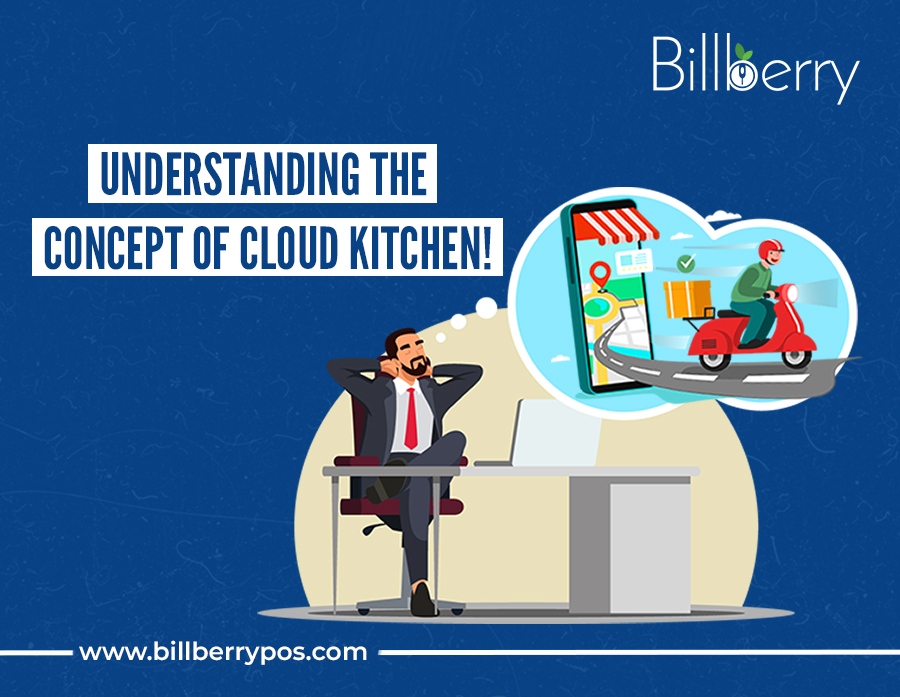
What Is The Concept Of Cloud Kitchen?

The cloud kitchen, virtual kitchen, or ghost kitchen, is a modern food service model that is revolutionizing the way we consume food. It is a delivery-only concept that allows restaurants to operate without a physical storefront or dining area. Instead, they rely solely on online orders and delivery services to reach customers, providing a more streamlined and efficient service. This innovative concept has emerged in response to changing consumer habits, with an increasing number of people turning to online platforms to order food.

In fact, according to a report by Euromonitor International, the global food delivery market is expected to grow at a compound annual growth rate of 9.3% from 2020 to 2025.

Cloud Kitchen POS Software – Free Demo

Cloud kitchens offer several benefits to restaurant operators, including lower overhead costs compared to traditional brick-and-mortar restaurants. This is because they do not require expensive real estate and restaurant infrastructure, such as a dining area or front-of-house staff. As a result, cloud kitchens can focus on creating a specialized menu and efficient food preparation processes, resulting in higher profit margins.

How To Run A Successful Cloud Kitchen Business In 2023

In addition, cloud kitchens can also be a shared kitchen space that multiple restaurant operators can use to prepare food for delivery. This allows for further cost savings and collaboration between different brands. Overall, the cloud kitchen concept is a rapidly growing trend in the food industry, providing a more streamlined and efficient food service model that caters to the changing needs and preferences of consumers.

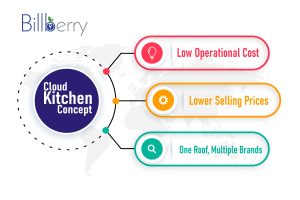
benefits of cloud kitchen concept

Cloud Kitchen POS Software – Free Demo

Why Cloud Kitchen Concept Is Becoming More And More Popular?

The emergence of cloud kitchens, also known as virtual kitchens or ghost kitchens, is a reflection of the rapid changes taking place in the food industry. This innovative concept has gained widespread popularity for a number of reasons, including the growing demand for online food delivery platforms. According to a report by Allied Market Research, the global cloud kitchen market size was valued at $43.1 billion in 2019 and is projected to reach $71.4 billion by 2027, growing at a CAGR of 12.0% from 2020 to 2027.

The Journey Of Swiggy and Zomato Logo – Billberry

This underscores the enormous potential of this trend in the food industry. The growth of online food delivery platforms has been a major driver of the cloud kitchen concept. These platforms have made it easier for customers to order food from a wider variety of restaurants, including those that may not have a physical storefront. In fact, according to a report by Statista, the global online food delivery market was valued at $107.4 billion in 2019 and is projected to grow to $154.3 billion by 2023.

In addition, cloud kitchens offer several advantages to restaurant operators, including lower overhead costs, increased flexibility, and improved efficiency. By operating without a physical storefront, cloud kitchens can save on rent, utilities, and other expenses associated with traditional brick-and-mortar restaurants.

This allows them to focus on creating a specialized menu and efficient food preparation processes, resulting in higher profit margins.

Future Of Restaurants With The Elements Of Augmented Reality In Restaurant Menus

Moreover, cloud kitchens can also be a shared kitchen space that multiple restaurant operators can use to prepare food for delivery. This provides opportunities for collaboration and cost-sharing, which can benefit both established and emerging food businesses. Overall, the cloud kitchen concept is rapidly transforming the food industry, providing a more flexible and efficient service model that is aligned with the changing needs and preferences of consumers.

By operating a cloud kitchen, it becomes easier than ever to grow online food delivery sales because of the added convenience to customer experience and exceptional benefits for the restaurateur. The rise of food delivery apps has been a significant factor in the success of the cloud kitchen concept. These apps have made it possible for cloud kitchens to reach a much broader customer base, without the need to invest in expensive real estate and other costs associated with traditional brick-and-mortar restaurants.

According to a report by Edison Trends, food delivery apps have seen a surge in popularity in recent years, with a 125% increase in consumer spending on food delivery services from 2016 to 2020. In addition, the COVID-19 pandemic has accelerated the growth of food delivery apps, with many consumers opting for contactless delivery options.

This shift towards online ordering and delivery has created new opportunities for restaurants, particularly those operating in the cloud kitchen space. By leveraging the power of food delivery apps, cloud kitchens can reach a wider customer base, without the need to invest in expensive real estate and other costs associated with traditional brick-and-mortar restaurants.

Cloud Kitchen POS Software – Free Demo

Furthermore, the data generated by food delivery apps can provide valuable insights into consumer behavior, preferences, and trends. By analyzing this data, cloud kitchens can make data-driven decisions about menu offerings, pricing, and other aspects of their business, resulting in a more efficient and profitable operation. Overall, the rise of food delivery apps has been a game-changer for the food industry, providing new opportunities for cloud kitchens to reach a wider customer base, while also offering valuable insights into consumer behavior and preferences.

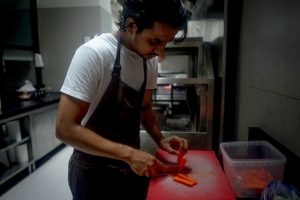
Indian restaurant chef

The cloud kitchen concept has gained popularity in recent years due to several factors, including the ability to operate more efficiently with lower overhead costs, ultimately leading to higher profit margins. A report by Euromonitor International notes that cloud kitchens can save up to 50% on rent, utilities, and other expenses compared to traditional restaurants, allowing them to focus on creating a specialized menu and efficient food preparation processes.

In addition to cost savings, the growing consumer demand for convenience has also contributed to the success of the cloud kitchen model. According to a report by McKinsey, the online food delivery market is projected to reach $365 billion by 2030, driven by consumers’ desire for ease and speed of delivery.

This trend has been further accelerated by the COVID-19 pandemic, which has led to a surge in demand for contactless delivery options.

How To Create A Restaurant Management Checklist

Moreover, cloud kitchens have the potential to be more sustainable operations, as they can produce food more efficiently and reduce waste. By operating on a delivery-only basis, cloud kitchens can optimize their supply chain, reducing the need for excess inventory and minimizing food waste. In addition, cloud kitchens can use technology to track inventory and monitor food production, allowing them to make more informed decisions about production and reduce waste.

Overall, the cloud kitchen concept has emerged as a viable alternative to traditional restaurants, offering several advantages in terms of cost savings, convenience, and sustainability. As consumer demand for online food delivery continues to grow, cloud kitchens are poised to play an increasingly important role in the food industry.

Cloud Kitchen POS System – Free Demo

How Cloud Kitchen Concept Works?

The process of ordering from a cloud kitchen typically begins with customers placing an order through a food delivery app or website. According to a report by McKinsey, the process involves several steps, including order acceptance, kitchen preparation, order packaging, and delivery logistics. Once the order is placed, it is sent to the cloud kitchen where the food is prepared and packaged for delivery.

baker making cake

Cloud kitchens can operate with lower overhead costs than traditional restaurants, allowing them to focus on creating a specialized menu and efficient food preparation processes. According to a report by CB Insights, cloud kitchens typically have smaller kitchen spaces, streamlined operations, and lower labor costs, allowing them to operate at a higher profit margin than traditional restaurants.

Additionally, cloud kitchens can leverage technology to manage operations such as inventory management, order tracking, and delivery logistics, further optimizing their efficiency.

The delivery process is a critical aspect of running a successful cloud kitchen business . Cloud kitchens may have their own delivery fleet or outsource the delivery to a third-party delivery service, depending on the business model. According to a report by TechCrunch, some cloud kitchen operators are partnering with autonomous vehicle companies to explore the potential of using self-driving cars for food delivery, further streamlining the delivery process.

Overall, the cloud kitchen model offers several advantages over traditional restaurants, including lower overhead costs, specialized menus, and streamlined operations. By leveraging technology and optimizing the delivery process, cloud kitchens can offer a more convenient and efficient food delivery experience to customers.

Cloud Kitchen POS Software – Free Demo

Is Cloud Kitchen Concept The Future?

Cloud kitchens have gained attention from the food service industry for its potential to facilitate aligning food business operations, leading to an efficient and successful food franchise business. According to a report by Euromonitor International, the global cloud kitchen market is expected to grow at a compound annual growth rate of 12.8% between 2020 and 2025. This growth is largely attributed to the increasing popularity of online food delivery platforms, which have made it easier for customers to access a wider variety of food options, including those offered by cloud kitchens.

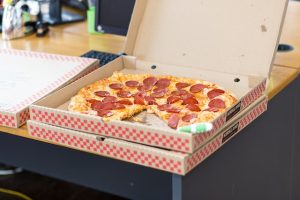
eating online delivered pizza

The cost-effectiveness and efficiency of the cloud kitchen model are also significant factors contributing to its potential success.

According to a report by McKinsey, cloud kitchens can operate with 30-50% lower overhead costs than traditional restaurants due to their smaller physical footprint and the ability to focus on specialized menus and streamlined operations.

Restaurant Scent Marketing: A Unique Way To Grow Customer-Base

Additionally, cloud kitchens can leverage technology to manage inventory and order tracking, further optimizing their efficiency. The COVID-19 pandemic has further accelerated the shift towards cloud kitchens and online food delivery. With stay-at-home orders and restrictions on dining out, more people turned to online food delivery options, resulting in a surge in demand for cloud kitchens.

As per the National Restaurant Association, 68% of restaurant operators say off-premises sales represent a higher proportion of their total sales now than before the pandemic. While cloud kitchens may not be the right fit for every restaurant operator or customer, their potential for more sustainable operations may also appeal to consumers who prioritize sustainability. According to a report by GreenBiz, cloud kitchens have the potential to reduce food waste and energy consumption by producing food more efficiently and effectively managing inventory.

Cloud Kitchen POS System – Free Demo

Who Can Own A Cloud Kitchen?

Cloud kitchens have become a flexible and accessible option for various entities to operate a food business. According to a report by Euromonitor International, cloud kitchens can be owned and operated by traditional restaurants, food truck operators, caterers, independent chefs and restaurateurs, and even individuals who want to start their own food business.

Established restaurant chains are also leveraging the cloud kitchen concept to expand their reach and increase their revenue streams. For instance, McDonald’s, KFC, and Starbucks have all opened cloud kitchens in various locations to cater to customers who prefer delivery services.

cloud kitchen owner

Furthermore, shared kitchen spaces that are equipped with commercial-grade equipment and infrastructure have become increasingly popular, allowing multiple restaurant operators to lease the space and operate a cloud kitchen without having to make a large initial investment. Additionally, food delivery companies and aggregators are creating their own cloud kitchen brands and offering delivery-only services. For instance, Uber Eats launched its virtual restaurant platform, Uber Eats Kitchen, to offer delivery-only menus to customers.

Despite the flexibility and accessibility that cloud kitchens provide, starting and operating a cloud kitchen requires resources and expertise to manage the operation and navigate the complex regulations and logistics involved

Cloud Kitchen POS Software – Free Demo

Technology Used With Cloud Kitchens

Cloud kitchens rely heavily on technology to manage operations and streamline processes. Some of the key technologies used in cloud kitchens include:

Online Ordering And Delivery Platforms

These platforms allow customers to place orders online and track the status of their delivery in real-time. They also provide a way for cloud kitchens to reach a wider customer base and expand their sales.

Cloud Kitchen POS Software

A cloud kitchen POS software helps cloud kitchens manage inventory, track orders, and streamline the food preparation process. They can also help with scheduling, staff management, and other operational tasks.

Automation

Automation technology such as robotic arms, automated packaging machines, and other equipment can be used to increase efficiency, reduce labor costs, and improve the consistency and quality of food.

Temperature Monitoring

Cloud kitchens rely on temperature monitoring systems to ensure that food is stored, prepared and delivered at the right temperatures, which is crucial to maintain the food safety standards.

Data Analytics And Machine Learning

These technologies can be used to analyze data on customer preferences, order patterns, and other factors to optimize operations and improve the customer experience.

The use of technology in cloud kitchen concept not only helps to improve efficiency and reduce costs, but also allows for better tracking and monitoring of food safety, which is crucial for both the restaurant operators and customers.

Benefits Of Cloud Kitchen Concept

There are several benefits of the cloud kitchen concept:

Increased Efficiency And Cost Savings

Cloud kitchens operate with lower overhead costs than traditional brick-and-mortar restaurants, as they do not need to invest in expensive real estate and other costs associated with physical storefronts. This allows them to operate more efficiently and with higher profit margins.

Greater Flexibility For Customers

Cloud kitchens allow customers to place orders online and have their food delivered to them, which offers greater convenience and flexibility.

Specialization

Cloud kitchens can focus on creating a specialized menu and efficient food preparation processes, which allows them to offer unique or niche food options that may not be available at traditional restaurants.

More Sustainable Operations

The cloud kitchen concept can produce food more efficiently and reduce waste, which is becoming an increasingly important consideration for consumers and can help to minimize the environmental impact.

Expansion Opportunities

Cloud kitchens allow restaurants to reach a wider customer base, expand their revenue streams and reach new markets without having to invest in new physical location.

Adaptability

Cloud kitchens are more adaptable to changes in consumer demand, as they can easily pivot their menu or delivery options to meet new trends, thus providing them more flexibility to adjust to market changes.

Conclusion

In conclusion, cloud kitchens represent a growing trend in the food service industry that offers a number of benefits to both restaurant operators and customers.

The concept, which operates solely for the purpose of preparing and delivering food through online platforms, allows for increased efficiency and cost savings, greater flexibility for customers, and the potential for more sustainable operations.

online delivered pizza

As the popularity of online food delivery platforms continues to grow, it’s likely that we will see more and more cloud kitchens popping up. Nevertheless, it’s clear that cloud kitchen concept is becoming an increasingly important part of the food service industry and will likely play a larger role in the future.

Moreover, this article is written by content experts at Billberry that is a complete ERP solution for Restaurant Business of every type. if you are actively hunting for a complete ERP solution for your Cloud Kitchen, must checkout Billberry. It is an end-to-end solution for every restaurant type!

Cloud Kitchen POS Software – Free Demo

How Restaurant Management Checklist Help Scale A Restaurant Business?

A restaurant checklist is a vital element for any restaurant owner or manager, as it aids in the streamlining of processes and the seamless operation of the restaurant establishment.

A checklist keeps you organized and on top of all the operations that need to be completed, from pre-shift preparation to daily cleaning and inventory checks.

12 Creative Restaurant Menu Designs To Boost Sales

It also aids in improving communication among employees and ensuring that everyone is on the same page. Furthermore, to improve productivity and customer satisfaction, it is necessary to limit the number of errors.

Overall, a restaurant checklist is a simple yet effective tool that can have a huge impact on a restaurant’s success that will eventually increase restaurant sales and attract more customers to the business.

Restaurant Management System With Restaurant Checklist – Free Demo

The Benefits Of A Restaurant Checklist

A restaurant checklist is one of the essential features of a restaurant management system that can help your restaurant operations in a variety of ways.

For starters, it aids in the maintenance of organizational structure by keeping employees informed of the tasks that must be completed and the priority of each work.

This keeps the employees engaged and efficient at work. Second, by using a checklist, the personnel is held accountable for their given tasks, and any errors or oversights that may arise are easily identified.

Third, it helps to reduce errors by offering clear instructions on the tasks that must be completed, ensuring that all areas of the restaurant operation function smoothly.

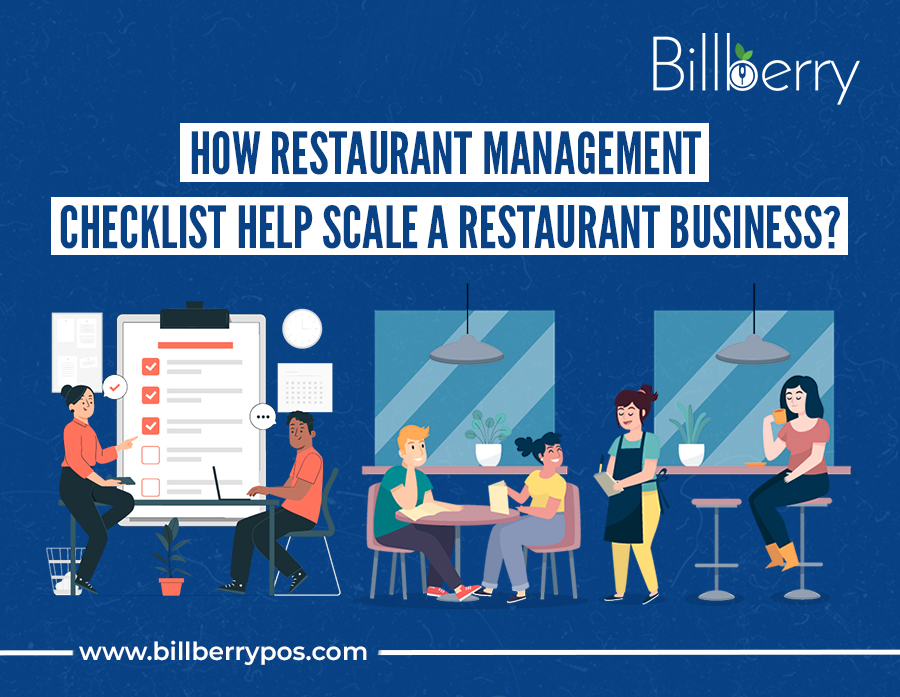
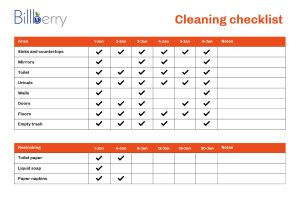
restaurant management checklist billberry

A checklist can also aid in enhancing communication among staff members, resulting in greater collaboration and customer service.

Overall, a well-organized restaurant checklist can assist in streamlining restaurant operations, resulting in better efficiency and, ultimately, higher customer satisfaction.

Customers tend to order online from your restaurant more often if they are satisfied with the dine in experience.

How To Implement A Restaurant Checklist

Implementing a restaurant checklist can be a simple process if done properly. Here are a few steps to help you get started:

Identifying Tasks

Before you can develop a checklist, you must first identify which operations must be completed on a regular basis.

This will be determined by the size and type of your restaurant, as well as the specific requirements of your business.

Assigning Responsibility

Once you’ve defined the tasks that must be completed, assign responsibility for each task to a specific member of staff.

This ensures that everyone understands their responsibilities and makes it easy to discover any areas where activities are not being fulfilled.

Creating A Checklist

Create a checklist that covers all of the tasks that must be completed after you have identified the tasks and given responsibility. Include the date, time, and staff member in charge of each task.

Restaurant Management System With Restaurant Checklist – Free Demo

Training The Staff

Once the checklist has been prepared, instruct your employees on how to use it. Explain the value of the checklist and how it will help to increase the restaurant’s efficiency and productivity.

Implementing And Monitoring

Begin utilizing the checklist on a daily basis and keep track of how well it is being used. Check that all operations are finished on time and that employees are following the checklist as planned.

Reviewing And Adjusting

Review the checklist on a regular basis and make changes as needed. This will help to ensure that the checklist meets the demands of the restaurant and remains an effective tool for enhancing efficiency and productivity.

It is critical to note that developing a restaurant checklist is a continuous process that should be reviewed and updated on a regular basis to ensure that it suits the current demands of the restaurant and its workers.

Using Technology

With the latest technology that is available with the modern restaurant management system, it is super easy to manage and create a restaurant management checklist.

With the embedded system, you can add customized questions to the checklist and check in real time on the mobile app whether the entire restaurant operations are being managed seamlessly or not.

How A Restaurant Management Checklist Help Scale Your Restaurant Business?

With the help of a restaurant management checklist, a restaurant manager may guarantee that all areas of the business function smoothly and efficiently by producing a complete listing of tasks and responsibilities.

In a nutshell, it will help you align operations at your restaurant business so that you can eventually become a successful restaurant franchise business

Inventory management, staff scheduling, and customer service are examples of such duties. A manager can discover areas for improvement and make adjustments by reviewing and updating the checklist on a regular basis.

Bill Splitting At Restaurant: Add Convenience To Customer Experience

Having a checklist in place can also help with training new staff and distributing responsibilities to the appropriate people.

Overall, a restaurant management checklist can assist a restaurant business in scaling by keeping operations organised and simplified, resulting in higher productivity and profitability.

Your Go-To Checklist for Restaurant Managers

If you’re running a restaurant or training new staff, having a well-defined restaurant manager duties checklist is essential for maintaining smooth operations, ensuring customer satisfaction, and keeping the team aligned. From daily floor supervision to monthly performance reviews, this checklist helps restaurant managers stay on top of their responsibilities and drive consistent results.

Restaurant Manager Duties Checklist

Daily Duties:

~ Inspect restaurant cleanliness and readiness

~ Oversee staff attendance and shift assignments

~ Monitor food prep and kitchen operations

~ Ensure POS system and cash float are functioning

~ Handle customer service issues promptly

~ Reconcile daily sales and generate end-of-day report

Weekly Duties:

~ Conduct team briefings and check performance

~ Review weekly sales and inventory usage

~ Coordinate with suppliers for stock replenishment

~ Train staff on menu updates and SOPs

Monthly Duties:

~ Analyze sales reports and food cost ratios

~ Plan marketing promotions and new offers

~ Conduct staff evaluations and provide feedback

~ Schedule equipment maintenance and compliance checks

~ Staff & Customer Management

~ Hire and train new staff

~ Maintain rosters and payroll records

~ Greet regular guests and handle feedback

~ Ensure excellent customer experience throughout

~ Safety & Compliance

~ Maintain food safety and hygiene standards

~ Check licenses, fire safety, and CCTV systems

~ Dispose of expired stock and maintain records

Conclusion

Finally, a restaurant management checklist is an effective tool for ensuring that all important activities are accomplished and the restaurant runs well.

It can help to increase efficiency and reduce the likelihood of mistakes or oversights.

If you are currently looking for a Restaurant Management System that can enable you with a strong Restaurant Management Checklist where you can monitor all the necessary aspects of your business along with live images, then you must checkout Billberry Restaurant Management System. Schedule a Free Demo with us by Contacting Us Now!

Restaurant Management System With Restaurant Checklist – Free Demo